The Small Difference on the Refund Sheet
At four in the afternoon, the finance desk can be busier than the lobby.
A small refund difference can come from tax treatment, currency, deposits, cancellation policy, or supplier settlement timing. Explaining it is not accounting fussiness; it protects guest trust and team judgment.
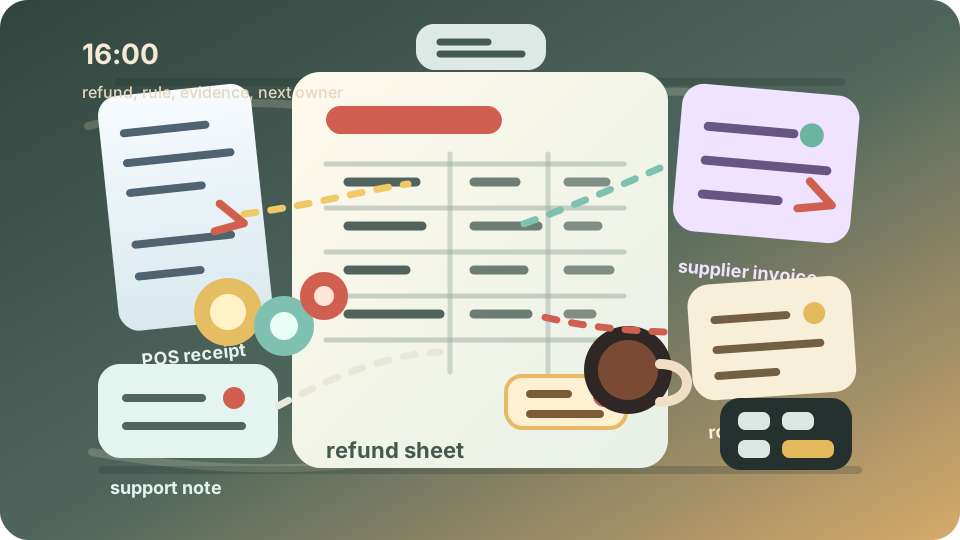
At 4 p.m., a hotel finance desk can look ordinary: a POS receipt, a room folio, a supplier invoice, a cancellation-policy screenshot, a calculator, and half a cold coffee. Support has just forwarded a guest asking about a refund. The supplier email says the amount was returned according to policy, yet the reconciliation sheet still shows a small difference. The number is modest. The work is not.
Small differences are very good at testing travel patience. The cause might be refundable tax, currency conversion, deposit release, channel fee, split room nights, or a supplier and hotel recognizing the same event on different dates. The guest sees, “Why is the refund not complete?” Support needs a sentence a person can understand. Finance needs evidence. The supplier needs to know which part they are being asked to adjust.
The tension is practical. Move too fast, and the team may hide the source of the mistake behind a tidy answer. Move too slowly, and waiting turns a few units of currency into a feeling of being ignored. Good refund reconciliation does not make everyone an accountant. It helps every role see the same chain: original order, cancellation rule, amount already returned, difference still in question, and the person responsible for the next step.
For HotelByte, AI-native hotel distribution infrastructure should take these small differences seriously. The system should not invent a smooth explanation. It should place amount, currency, rule, evidence, and responsibility boundary where people can use them. Then support guesses less, finance opens fewer sheets, and suppliers can decide faster whether the money should be returned, waited on, or checked again.