Every homepage that took a turn
Each day, the HotelByte homepage can bring a first visit into a small landing page. This archive keeps every story and the date it first appeared.
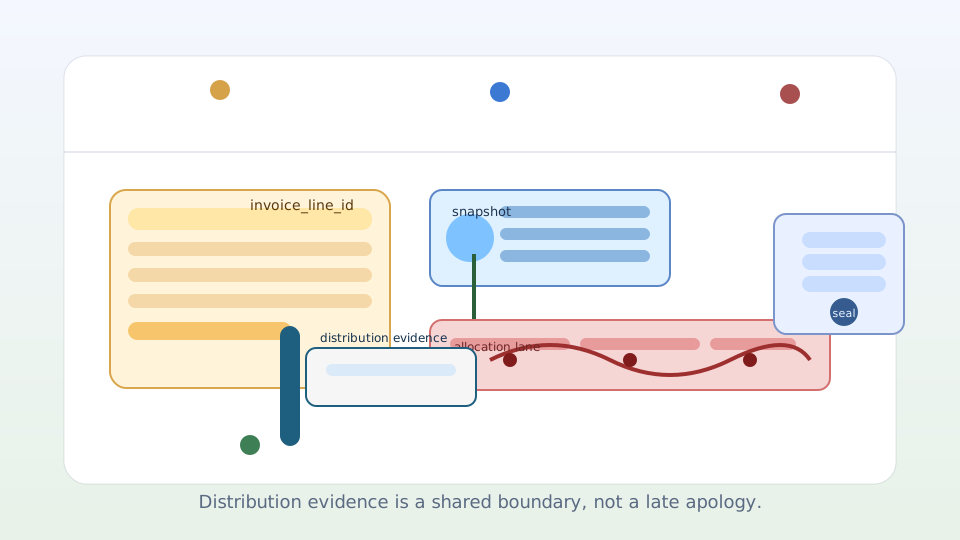
One Invoice Line Can Save Three Systems Three Days
An invoice is not the final screen of finance; it is the gate before finance.
Settlement disputes are often slow because teams do not agree they are reading the same bill first. Putting invoice_id, room_type_line_id, settlement_amount, and distribution_note into one auditable row lets everyone quickly answer who should amend, who should compensate, and what should be replayed.
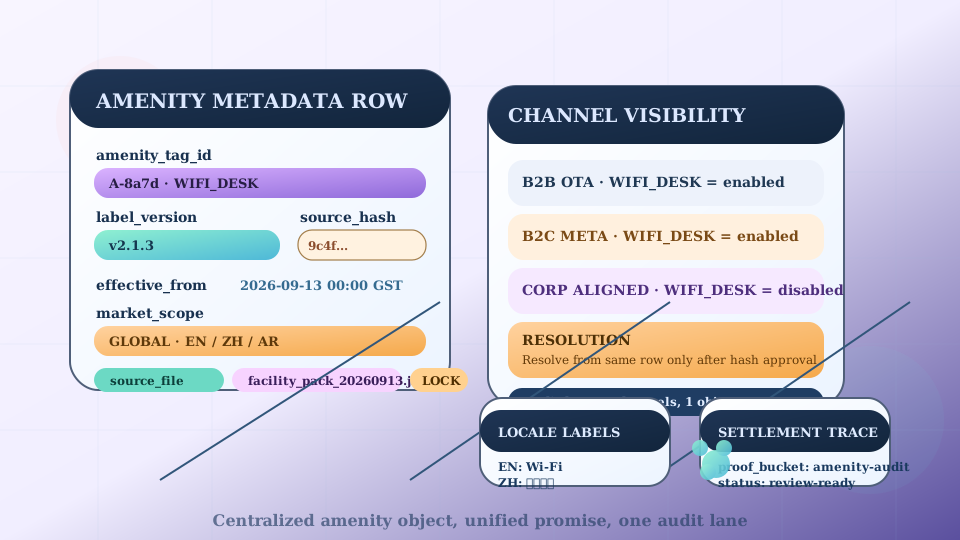
One shifted amenity tag changes what a property appears to offer
One invisible metadata bit can change what travelers believe the hotel is promising.
Amenities like free Wi-Fi or breakfast are often treated as copy. In distribution, they are commercial promises. If feature_code, label_version, locale_text, and channel_visibility sit in separate objects, one room type can read as two products in two channels.

Interrogate the Manifest Before Distribution Moves
A manifest without a stamp can be more dangerous than a message marked urgent.
A supplier update is not a single action; it is a batch with source files, changed fields, target markets, and an effective time. If manifest_id, changed_fields, effective_from, and owner are not in one auditable object, channels will receive content before they receive consistent interpretation.
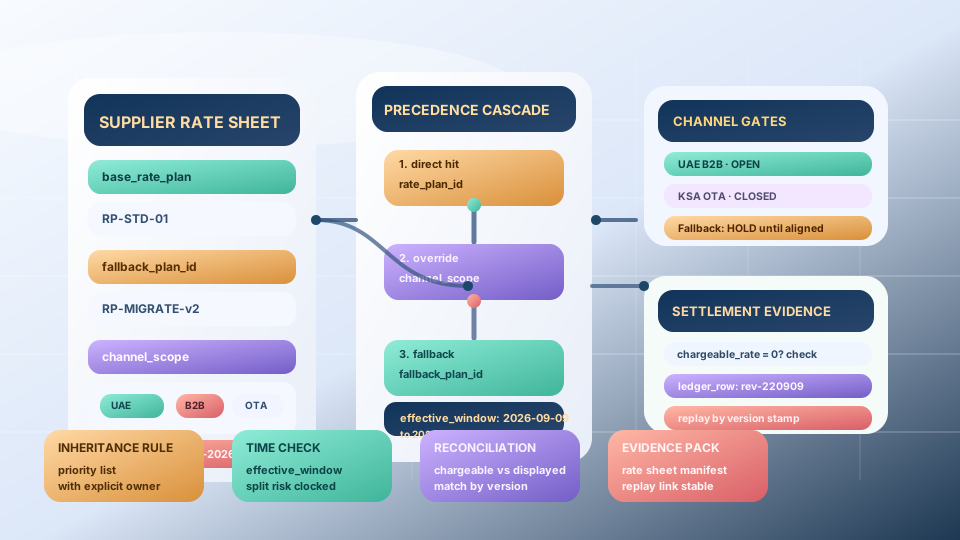
Rate-Table Order Decides the Offer Before Discount Does
One field order can shift a sellable boundary across markets before a discount is ever noticed.
Supplier rate sheets often cross many channels. If rate_plan_id, fallback_plan_id, channel_scope, and effective_window stay unbound, sales and settlement paths diverge. Defining inheritance order and override scope in one traceable rule row keeps the offer boundary recoverable.
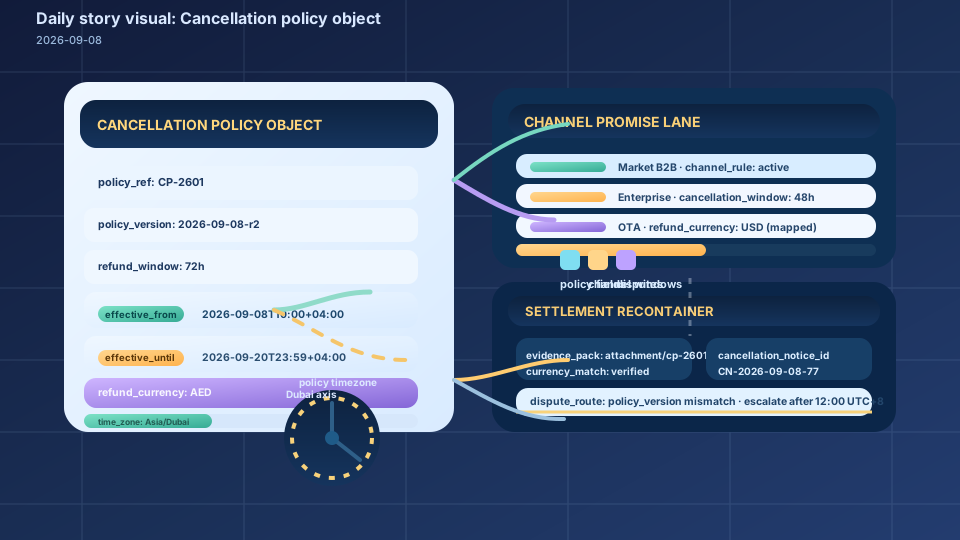
A Cancellation Policy Clause Sets the Real Boundary
“Free cancellation” sounds like copy until it starts deciding settlement and channel promises.
Cancellation terms often appear as user-facing copy, but if policy_version, effective_window, refund_currency, and time_zone are not in one distribution object, refund disputes keep cycling between support, supplier, and finance. The clause should state who it applies to, which timezone governs it, and when it expires.
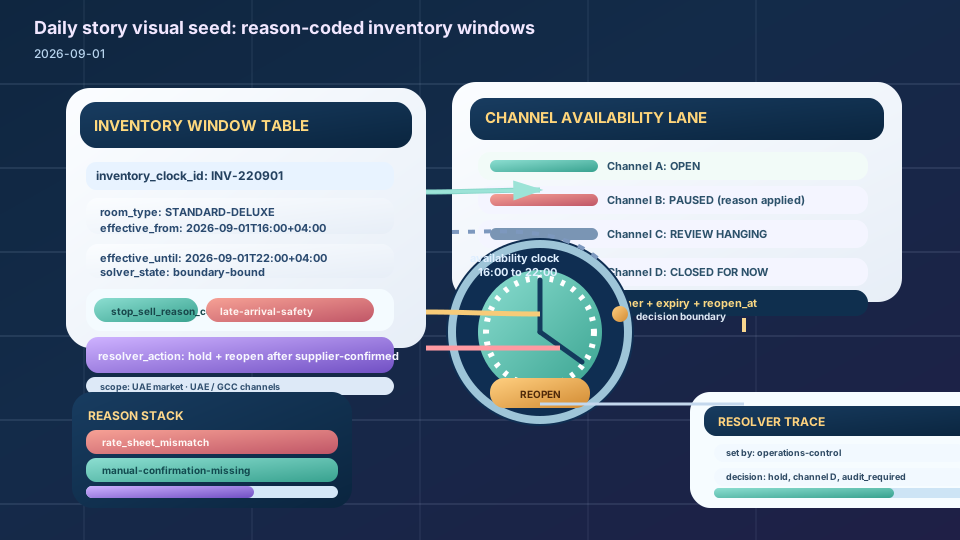
One Reason Code Can Change a Night of Availability
Sometimes availability does not drop. The meaning of “cannot sell” changes.
A room can be simultaneously sellable in one channel and paused in another. It is often not missing inventory, but split object boundaries. A reason code, time window, and scope written as one object keeps sales actions from colliding.
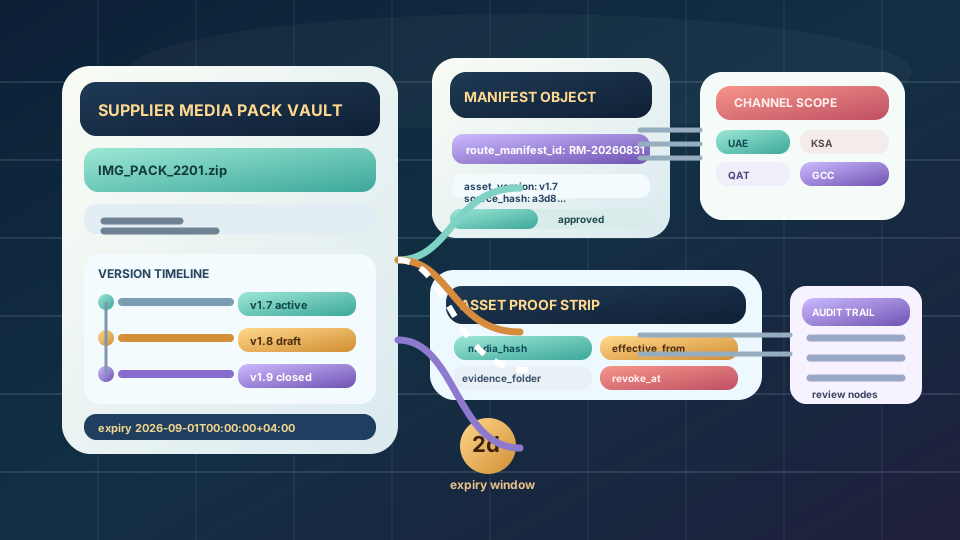
A Version Stamp Beats a Screenshot for Stopping Mis-Sale
A boring-looking version number can decide more commercial truth than polished copy ever will.
Distribution content is not only about visual quality. A sale depends on which asset version is active, who approved it, and when its scope is valid. Version stamps in a unified object keep channels and settlement on the same page.
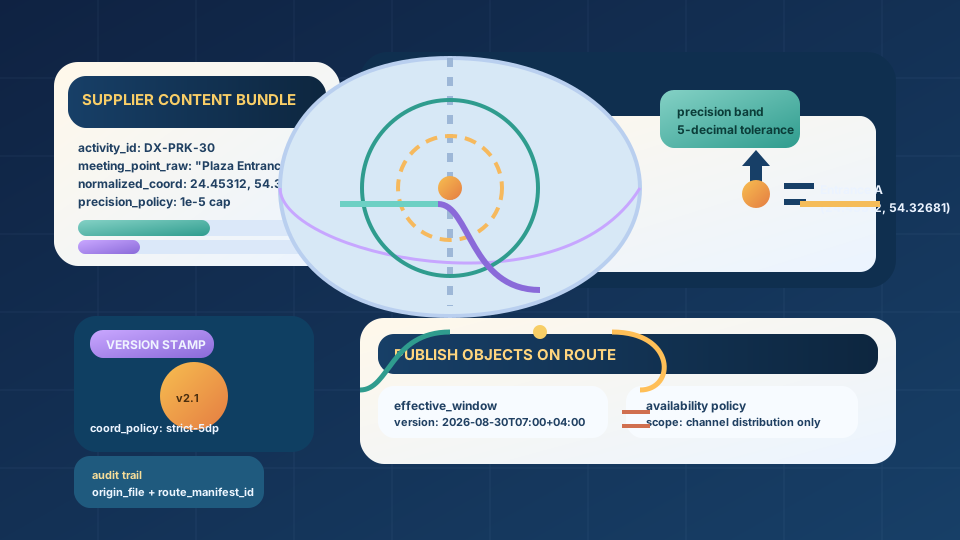
The Same Shuttle, Different Outcome, Same Coordinates
A meeting_point field in the content pack is not a caption; it decides routing, pickup scope, and a sellable promise.
Content packs often carry both a note and a coordinate pair for meeting_point. If the two differ by only a few decimals, the assigned pickup point can shift by a floor and the distribution promise becomes inconsistent. Making coordinate, precision policy, semantic version, and expiry a single distribution object creates a sustainable audit path.
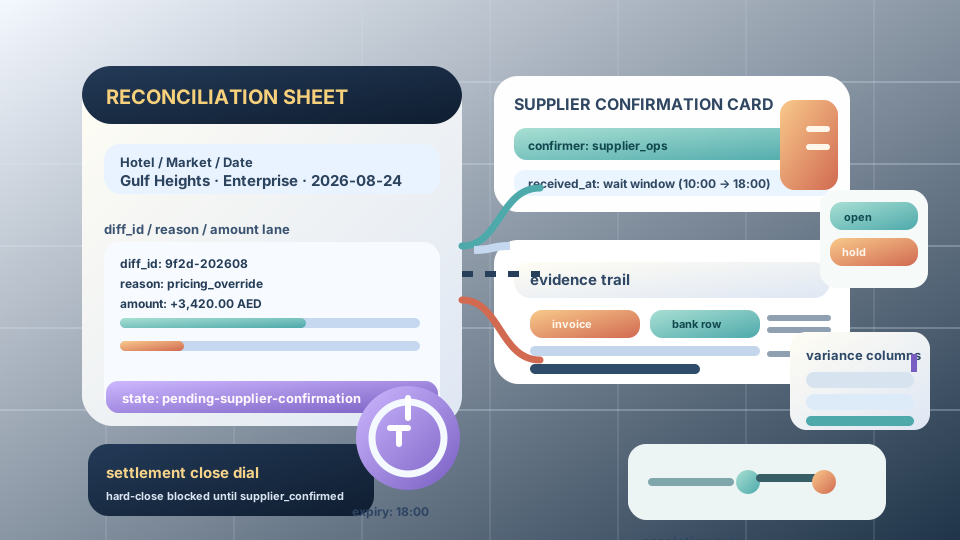
Can Settlement Wait for a Supplier Confirm?
In one discrepancy row, the decision to close the books often starts with a single pending status.
A status code is not decoration. pending-supplier-confirmation should sit with root cause, evidence references, confirmation deadlines, and approval boundaries, otherwise a difference that is explainable can be written into final books too early.
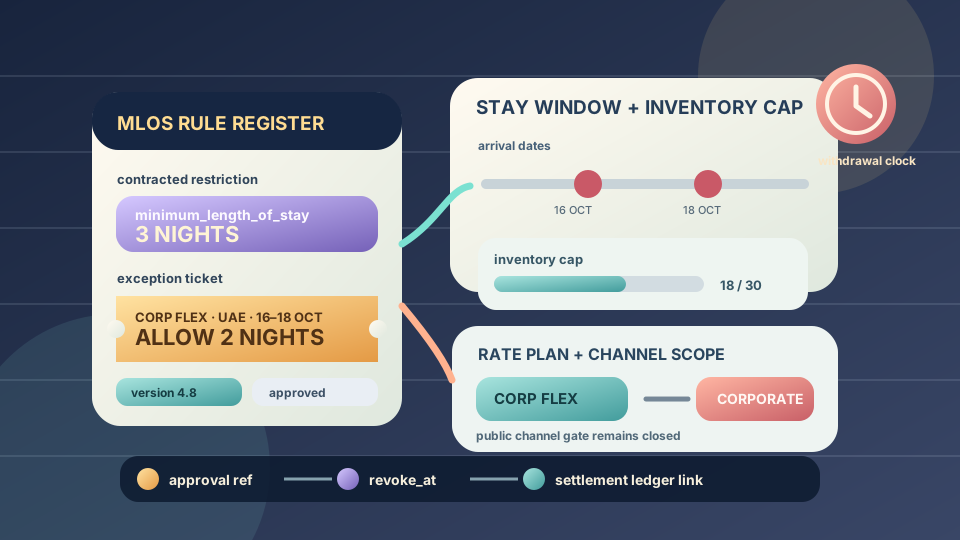
A Minimum-Stay Exception Needs a Register
A two-night exception can look like a small promotion, until it changes which inventory promise still holds.
When a supplier temporarily permits a market to bypass a three-night MLOS rule, the exception cannot remain a sentence in a sales email. Property, stay window, channel, rate plan, inventory cap, approver, and withdrawal time need to travel as one commercial object that content, distribution, and settlement can all inspect.
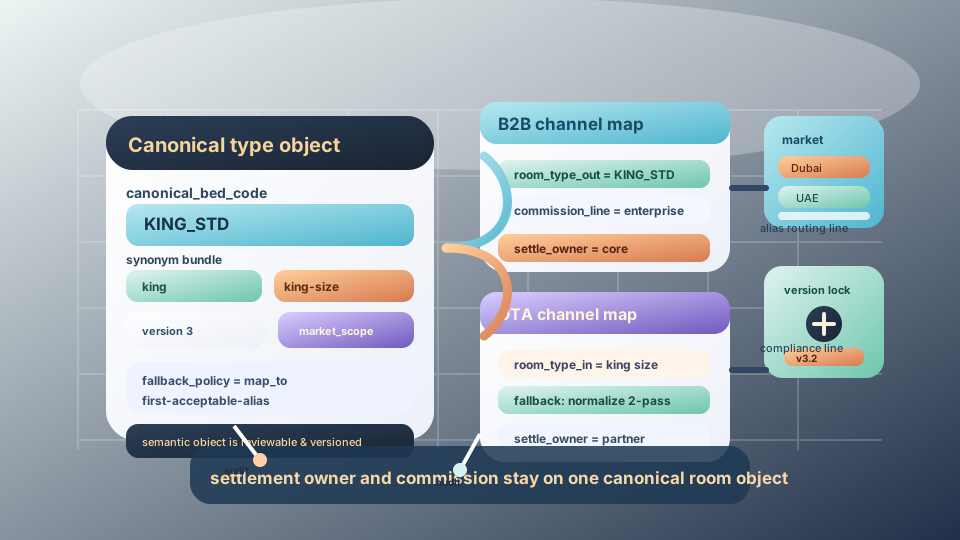
A Synonym Can Double an Inventory Item
The same bed can be called king and king size in one mapping file, and suddenly it becomes two sellable products.
Free-text values in bed_type and channel_room_type can make “king,” “king size,” and “King Size” resolve to different products. That leaks settlement and commission across channels. A reviewable schema object with synonyms, versions, market scope, and fallback policy keeps one room tied to one meaning.
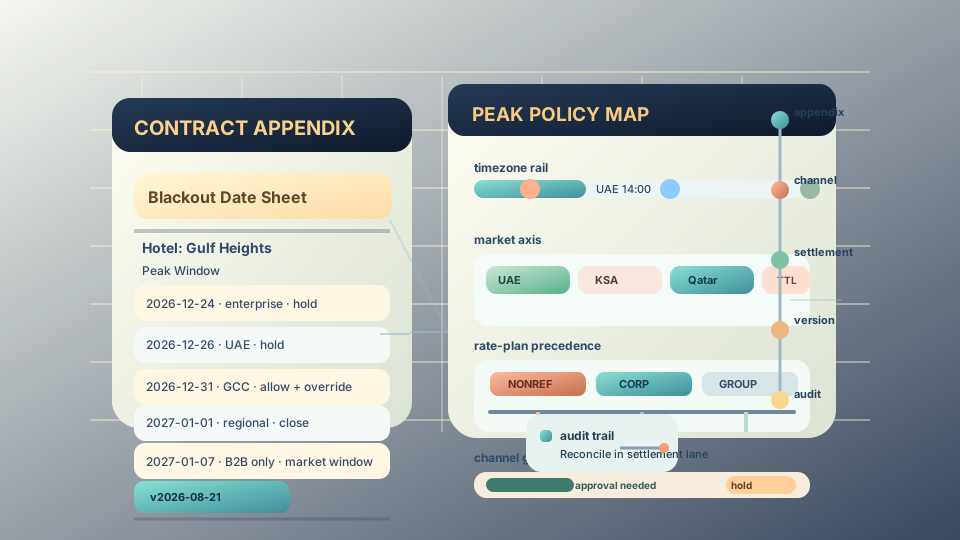
The Peak Date Must Stay on One Map
When a hotel temporarily withdraws rooms in peak season, teams often start with a quick verbal decision. The real risk is one date carrying three meanings across systems.
If blackout dates live only in emails, only in contracts, or only in channel config, teams will book against three different versions of the same night. Peak sellability needs one auditable object: market scope, channel layer, timezone boundary, applicable rate plans, and override precedence.
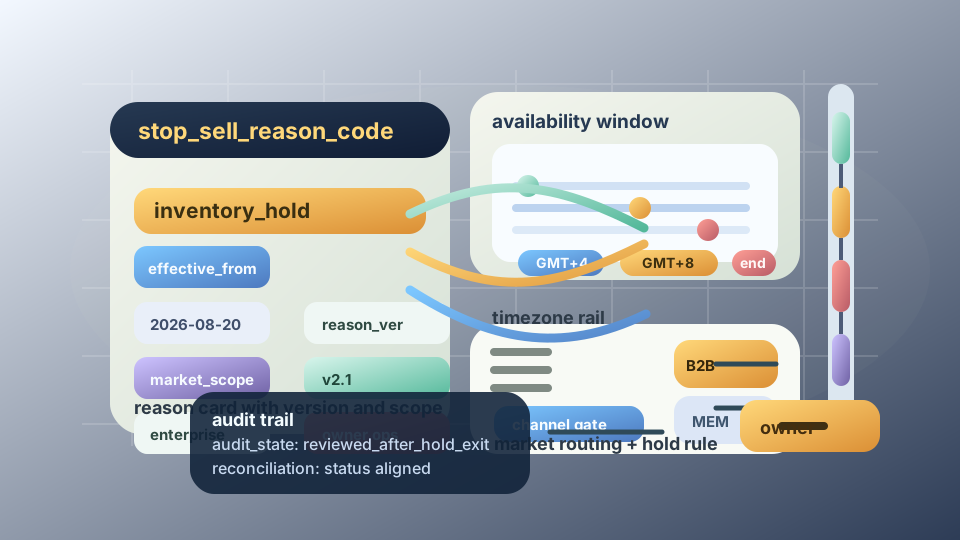
Stop-Sell Reason Carries Availability Truth
A stop-sell reason code can decide booking rights before any headline availability number.
Stop-sell info is not a side note. stop_sell_reason_code, effective_from, effective_to, and market_scope should be defined in the same traceable object, otherwise the same property appears as “bookable” in one channel and “not available” in another.
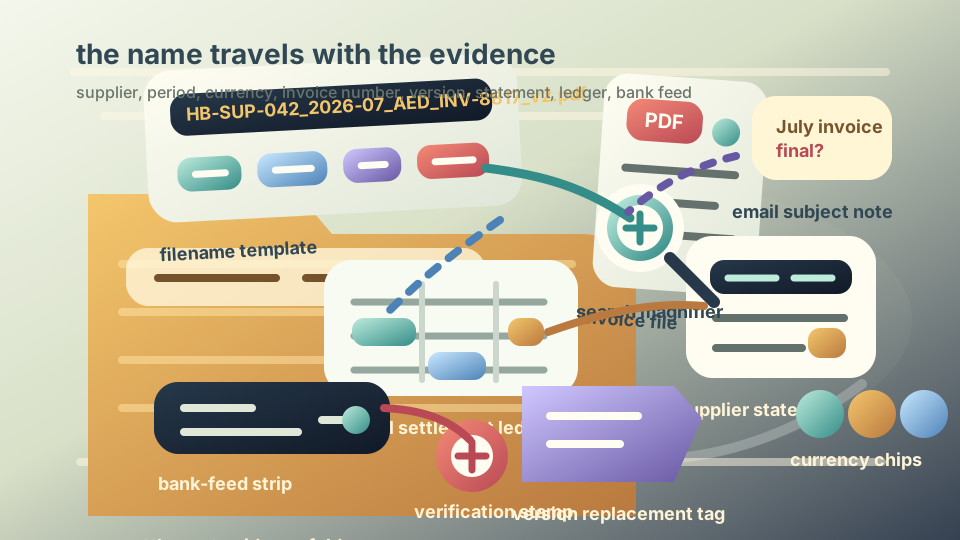
The Invoice Filename Should Beat the Email Subject
One slightly fussy filename inside a settlement pack can save half an hour of month-end searching.
Email subjects get forwarded, rewritten, and cut short. Invoice attachments get downloaded, renamed, and dropped into separate folders. If a settlement-pack filename carries supplier, period, currency, invoice number, and version, finance, commercial, and supplier operations do not have to rely on memory to confirm the same evidence.
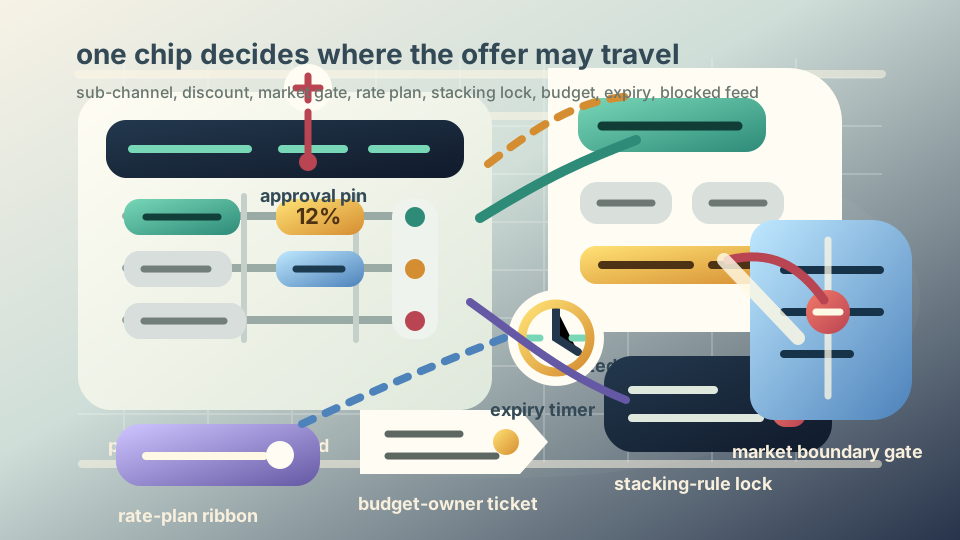
The Sub-Channel Chip Draws the Discount Edge
One small chip in a promotion allowlist can send a discount onto the right shelf, or the wrong one.
A promotion is not finished when discount is switched on. One main channel may contain a member page, corporate entrance, affiliate feed, package flow, and manual quote desk. A sub-channel chip needs to say who can see it, who can book it, whether stacking is allowed, who owns the budget, and when it expires.
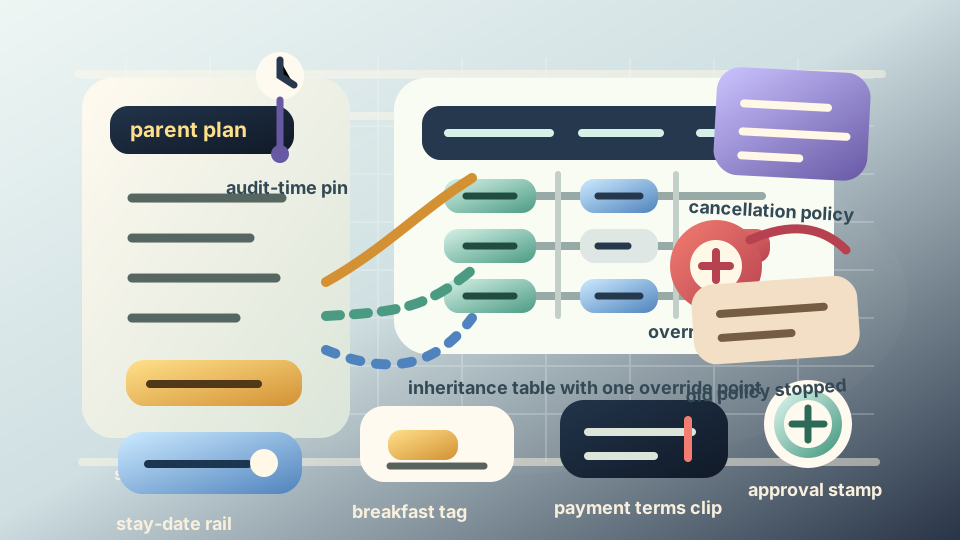
The Override Mark Keeps Old Policy Out of New Price
One small red mark in an inheritance table makes little noise, yet it can stop an expired rule from running downstream.
Rate-plan inheritance saves repeated rules across promotions, room types, and channels, but it can also carry old cancellation policy, breakfast meaning, or payment terms into a new price. An override mark should say what changed, where it starts, why the exception exists, who approved it, and when it expires.
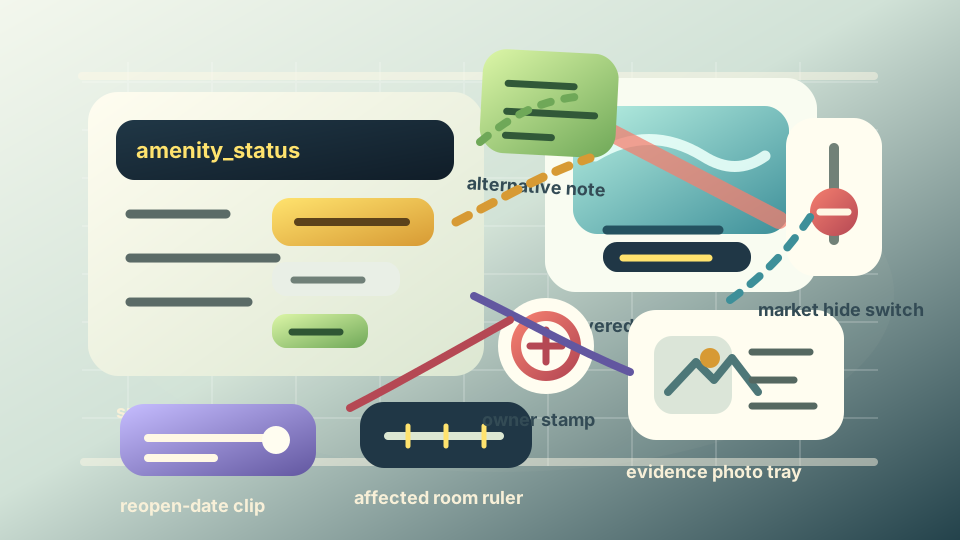
The Renovation Field Makes Amenities Tell the Truth
One quiet under-renovation field in a content table can protect a promise before the glossy photo gets a chance to overtalk.
Amenity content cannot live only between yes and no. A pool repair, gym renovation, restaurant pause, or time-limited spa needs a clear reason, affected scope, valid dates, alternative arrangement, and reopen owner, otherwise the channel page keeps selling an old promise as today’s fact.
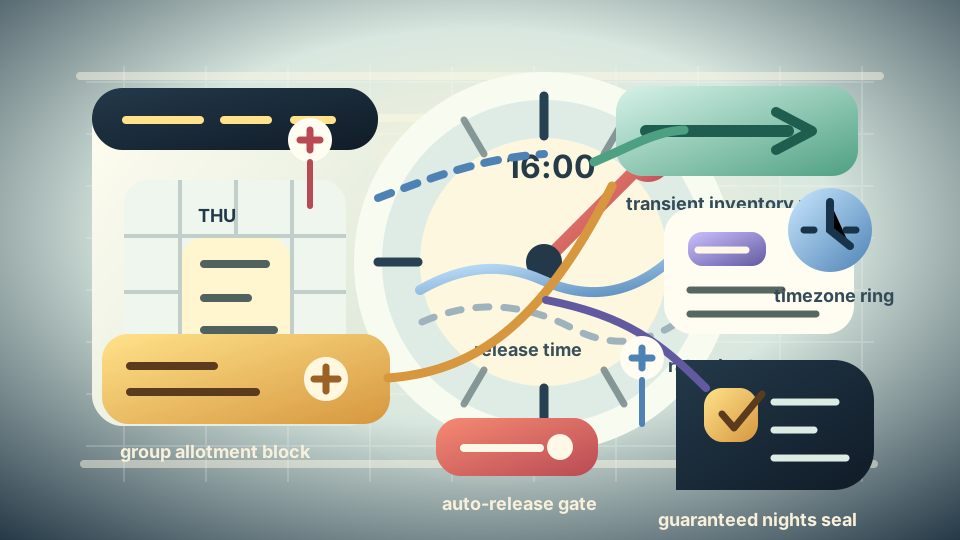
The Release Time Draws the Inventory Clock
A small time marker on the availability calendar can decide whether tonight still sells well before the sold-out label arrives.
The latest release time is not a reminder on the inventory calendar. It decides how long a group block is protected, when transient inventory may take over, how supplier commitments stay intact, and whether revenue can keep room between giving up too early and gambling too late.
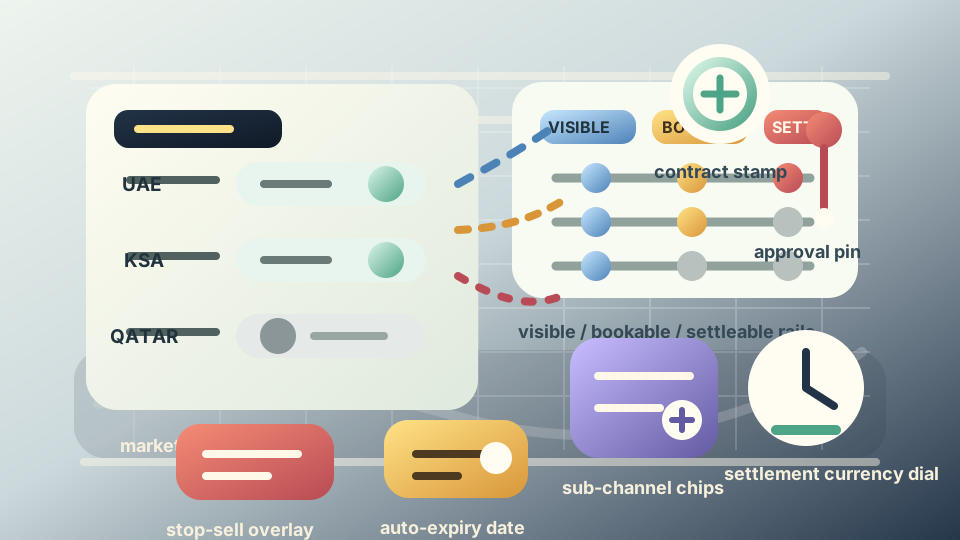
A Market Toggle Needs Three Answers
A small switch on a channel configuration page should say which part of the business it is lighting up.
A market toggle looks like enable or disable, but it carries visibility, bookability, and settlement responsibility at once. If it only says open or active, sales scope, exposed inventory, contracted market, and finance rules can each read it differently.
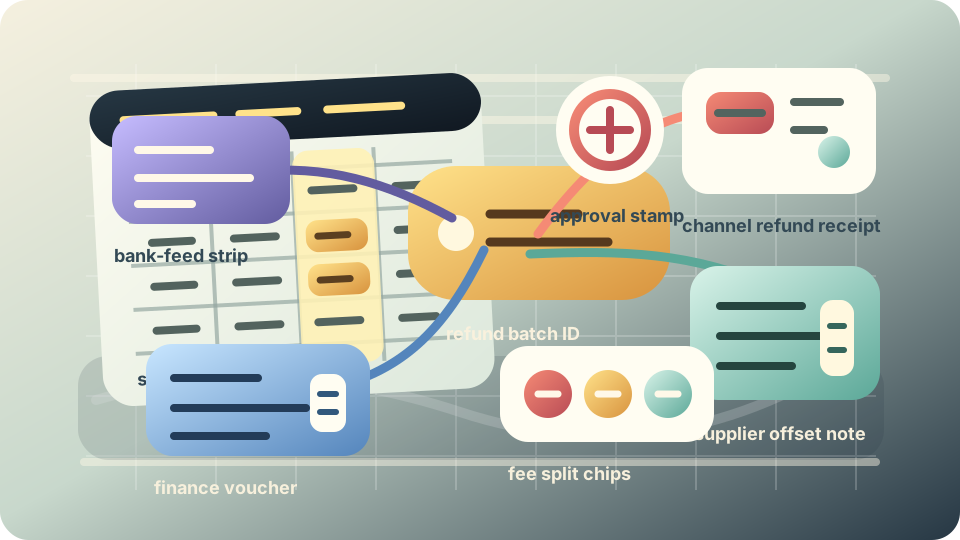
The Refund Batch ID Holds the Same Money
A small code in the settlement sheet can quiet a dispute before the apology email does.
A refund is not finished when the amount moves back. Without a stable batch ID, channel refund, supplier offset, finance posting, and support explanation each talk from similar-looking numbers. The batch ID lets the same money keep the same name across different tables.
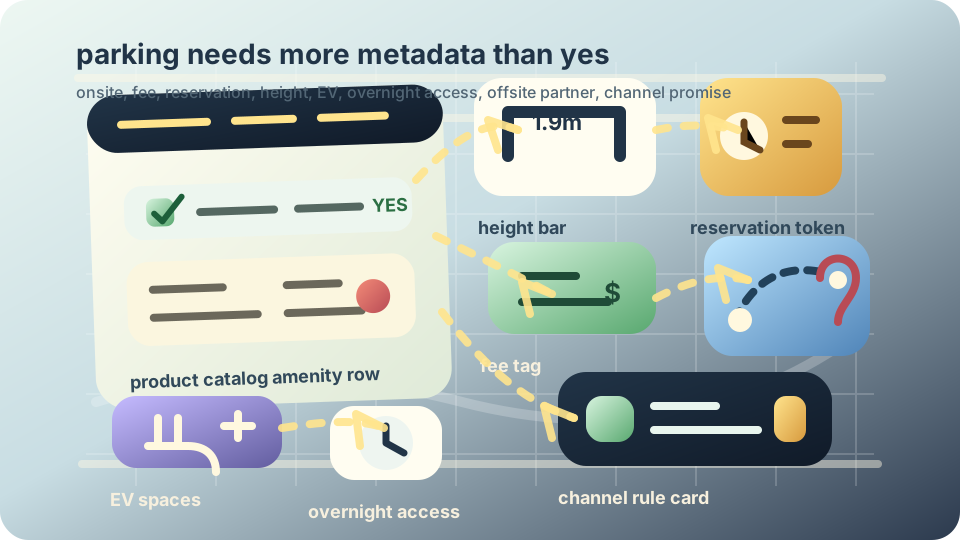
The Parking Field Cannot Only Say Yes
A small checkbox in the product catalog gets unexpectedly loud on a sold-out weekend.
“Parking available” looks like amenity information, but it carries fee, reservation, vehicle height, onsite or offsite location, overnight access, and EV space rules. If the field is too light, the channel sells convenience while everyone later explains the boundary.
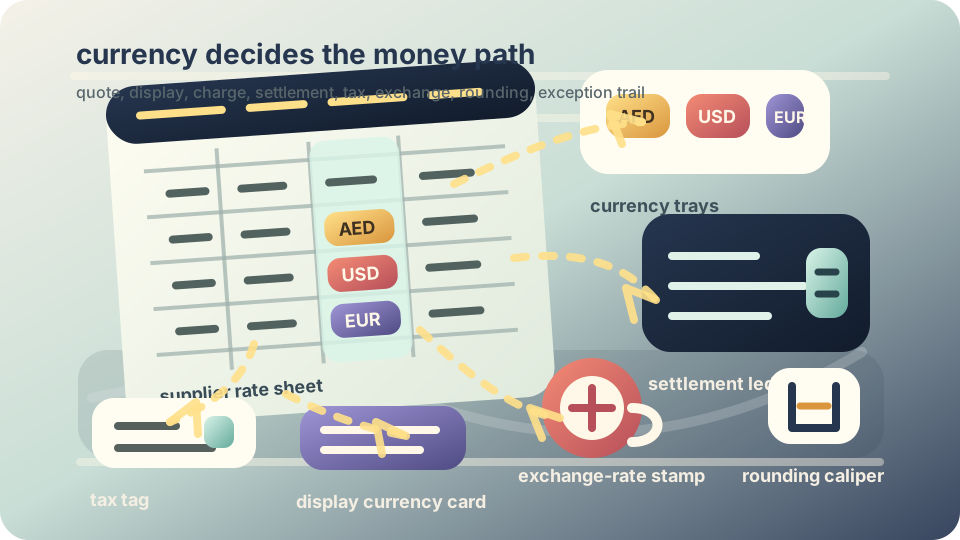
The Currency Column Draws the Border First
The narrowest column on the rate sheet often decides who has to explain what before the total price does.
When a supplier rate sheet makes everyone stare only at the total, quote, display, charge, settlement, and refund can collapse into one misleading number. The currency column looks like formatting, but it sets the border for market, exchange rate, rounding, tax, and responsibility.
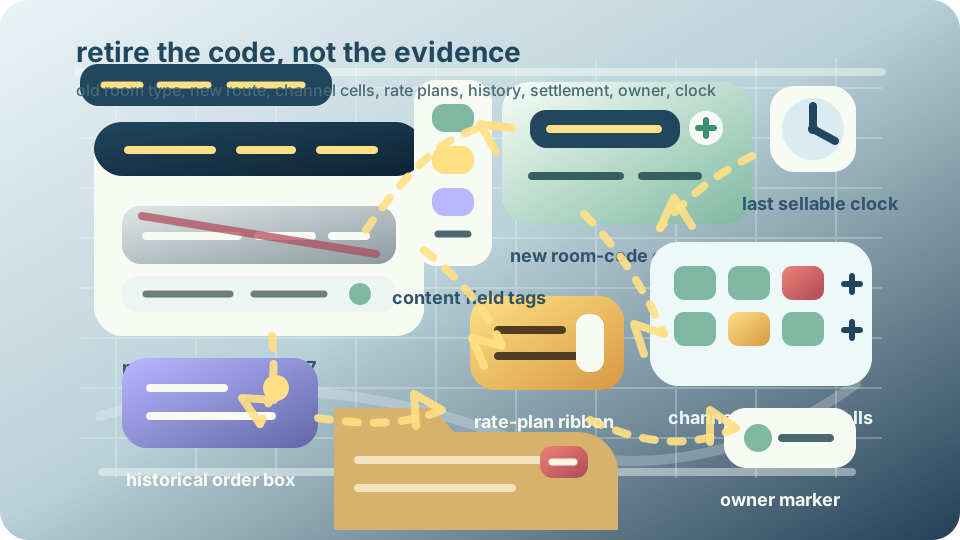
A Retired Room Code Can Keep Collecting Debt
The greyed-out row in the mapping table says nothing, while nearby channel inventory keeps answering on its behalf.
Retiring a room code is not finished when a row becomes inactive. If channel mapping, rate plans, inventory pools, historical orders, and settlement rules do not move together, the old code keeps creating explanation work inside new bookings.
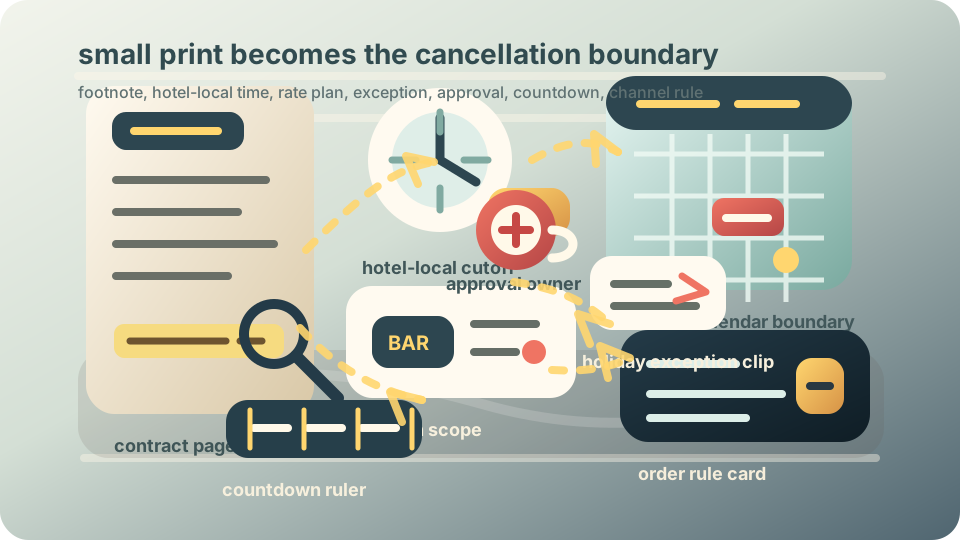
The Cancellation Footnote Has to Reach the Channel
A tiny line at the bottom of a contract page stops being tiny once it lands on a channel calendar.
Cancellation risk often hides in footnotes: hotel local time or channel time, whether public holidays extend the window, whether groups are exempt, and exactly when free cancellation begins or ends. Only when the footnote becomes executable dates, markets, and responsibility boundaries can the order be explained consistently later.
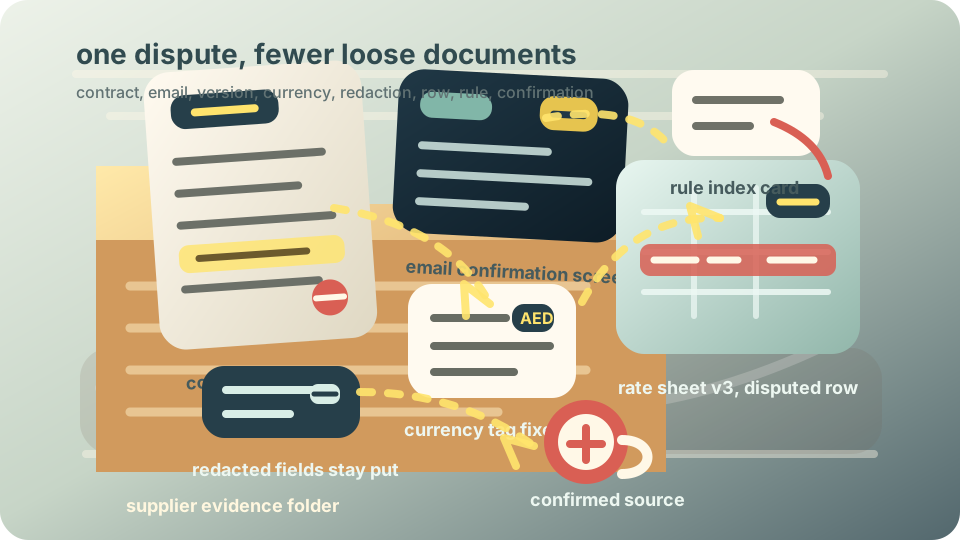
The Evidence Folder Narrows the Dispute
Contract page, email screenshot, and rate sheet sit together, and the dispute finally stops looking like fog.
The slowest part of a rate dispute is often not arithmetic. It is scattered evidence. A clear supplier evidence folder brings contract clauses, email confirmation, rate-sheet version, currency, and valid dates into the same question early.
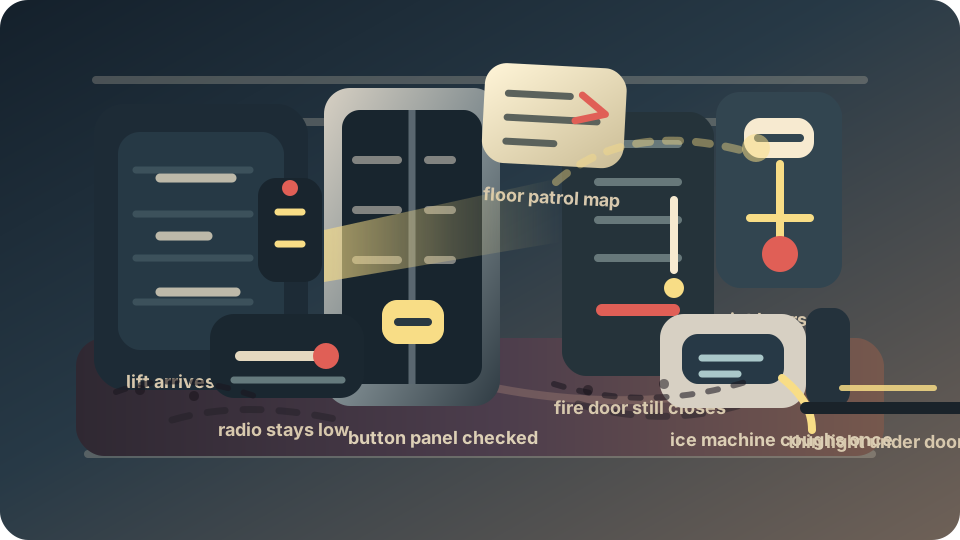
An Elevator Round Should Stay Light
At two in the morning, the corridor carpet catches the footsteps, and the guard’s torch reaches only as far as the next door.
Night security in a hotel is not about making presence loud. An elevator round has to check access, camera gaps, fire doors, noise, and unusual stops while keeping sleeping guests out of needless alarm.

The Drying Line Changes the Room Choice
The thin line on the balcony has no marketing shine, yet it answers “can we stay here longer?” before the sea-view photo does.
A beach long stay is not only about bed, view, and square meters. Wet swimsuits, sand, floor drains, airflow, towel changes, and a route that keeps the room from turning damp can decide whether a room type actually fits families, divers, or travelers staying several nights.
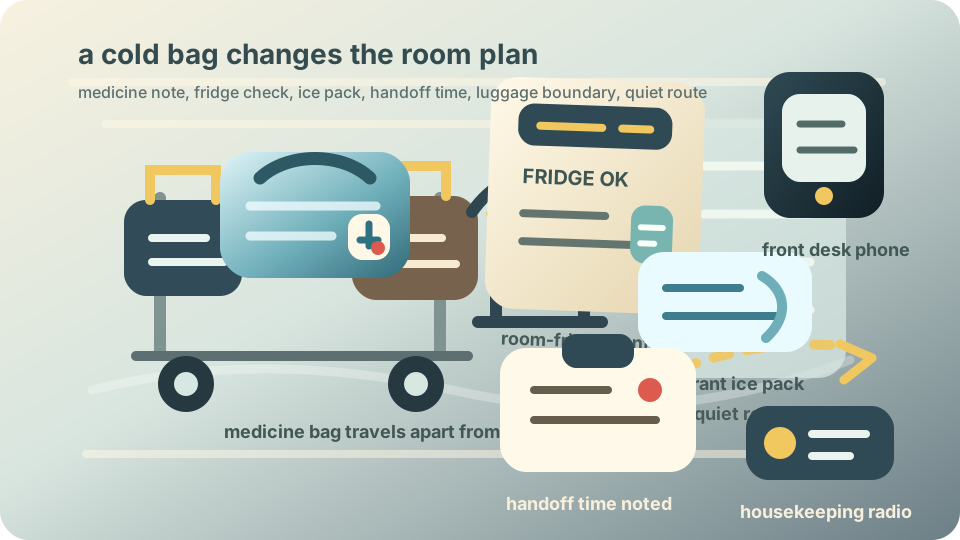
The Cold Bag Changes the Room Plan
The small cold bag on the luggage cart is not hurrying anyone, yet the room, restaurant, and front desk all become serious earlier.
A note about refrigerated medicine is not a preference or a decorative service touch. It affects whether the minibar works, whether the room can be confirmed early, where luggage can pause, who replaces an ice pack, and how the front desk keeps dignity and risk in the same frame.
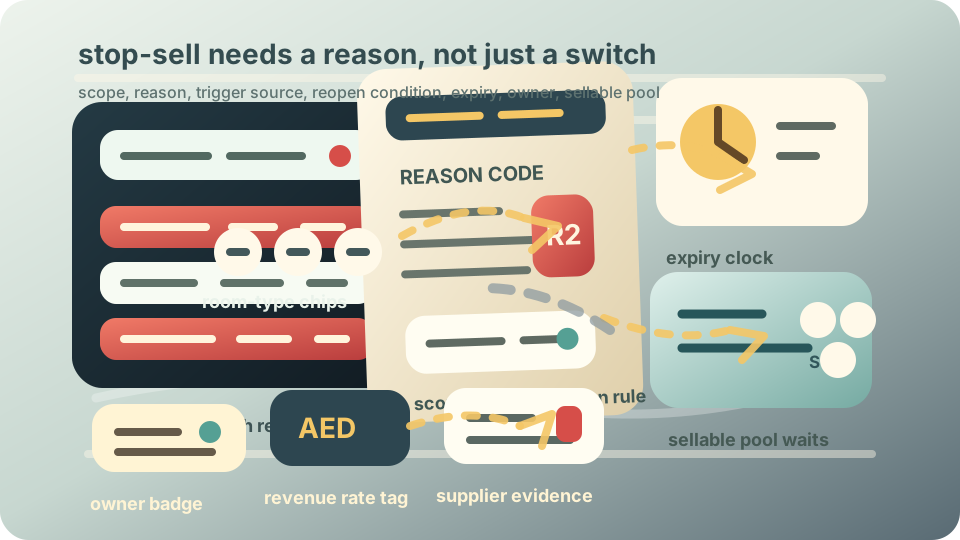
Stop-Sell Needs a Reason
The red row on a channel manager’s screen should not leave only one message: closed.
Stop-sell is not just removing a room type from channels. Closure reason, affected scope, reopening condition, owner, and expiry decide whether supplier operations, revenue, and support can act from the same list.
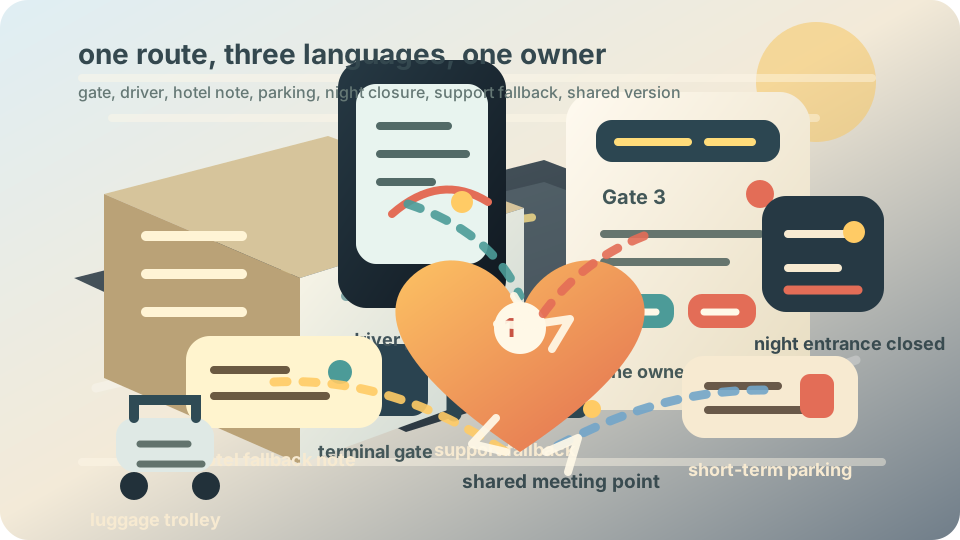
A Transfer Route Needs One Owner
The driver’s phone, the hotel note, and the guest screenshot all point to the airport, but one turn has become three different instructions.
Transfer instructions are not finished when one sentence is translated into several languages. Terminal exits, meeting points, driver waiting rules, night entrances, and support fallback need one responsible version, or a guest can understand the words and still stand in the wrong place.
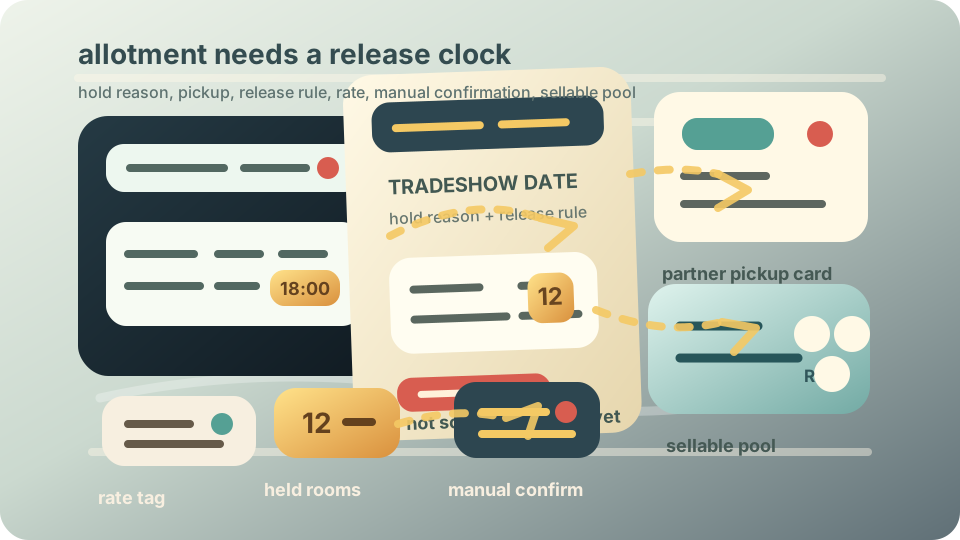
The Allotment Clock Keeps Inventory Honest
A yellow countdown cell on a supplier ops sheet is more honest than simply saying rooms are still available.
Reserved room blocks are not better just because they stay reserved. Supplier teams have to balance partner commitments, channel opportunity, city demand, and expiry risk when deciding whether rooms should stay held or return to sellable inventory.
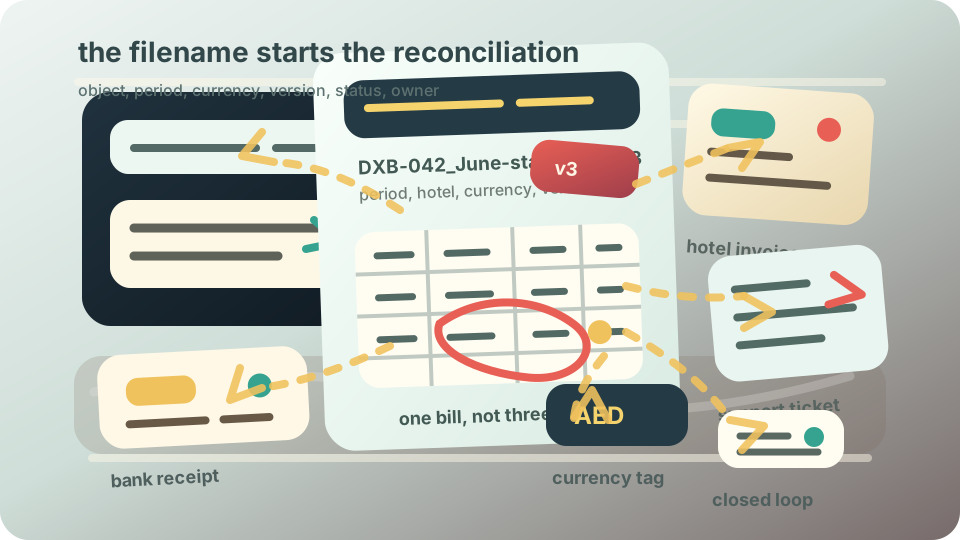
The Attachment Name Starts the Reconciliation
Before finance opens the sheet, the date, currency, and hotel code in the filename are already deciding who does not need to chase the wrong thing today.
Supplier reconciliation is not just an email with a spreadsheet attached. A clear filename names the period, hotel, currency, version, and dispute scope early; a vague one sends finance, support, and the hotel back into guessing.
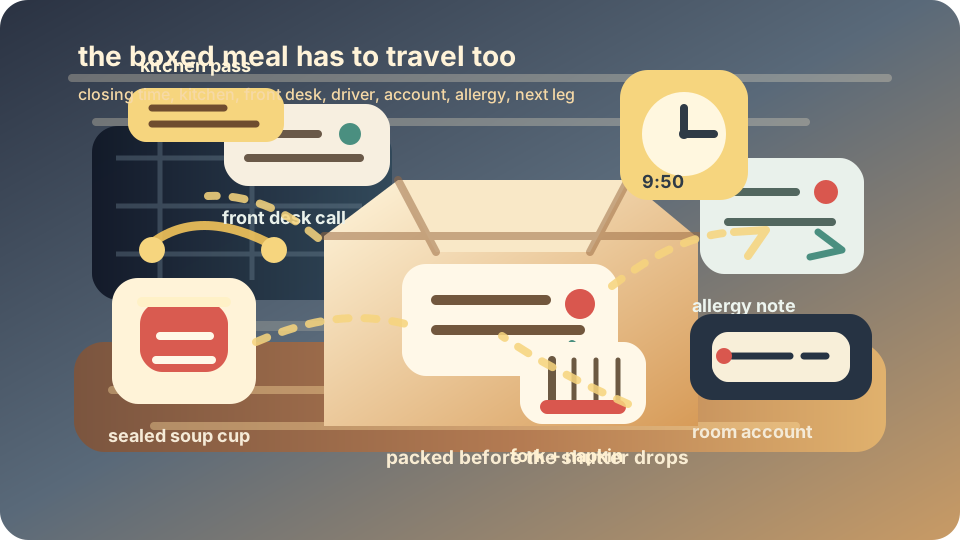
The Takeaway Box Catches the Last Ten Minutes
The restaurant shutter is still up, and the paper box already knows someone has to keep moving with dinner in hand.
Hotel food does not only happen at the table. A meeting runs late, a flight moves earlier, a child falls asleep, a driver is already waiting; one boxed meal before closing can connect kitchen rhythm, front-desk judgment, and the guest’s next stretch of travel.
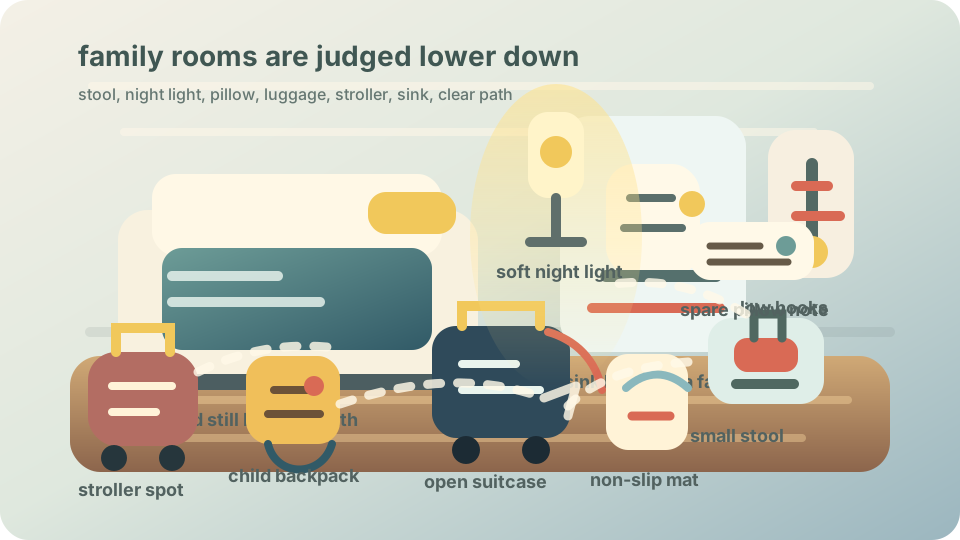
A Family Room Starts Lower Down
The small stool beside the bed says nothing, yet it knows before the welcome fruit whether tonight will work.
A family room is not a double room with one more bed squeezed in. Spare pillows, night lights, low hooks, a small stool, luggage space, and sink height decide whether a family settles in or starts negotiating every step from the doorway.
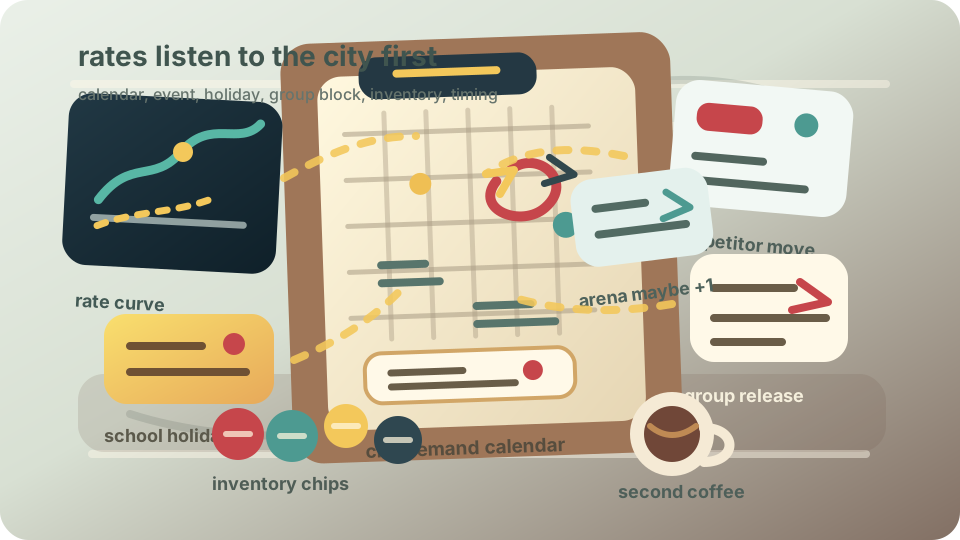
The Calendar Keeps Rates from Pretending It Is Quiet
The colored calendar on the revenue desk looks a little messy, but it can smell the city before a neat curve does.
Room rates do not simply grow out of a model each morning. Trade shows, holidays, concerts, flight changes, group cancellations, and citywide inventory all push revenue teams between raising too early and reacting too late.
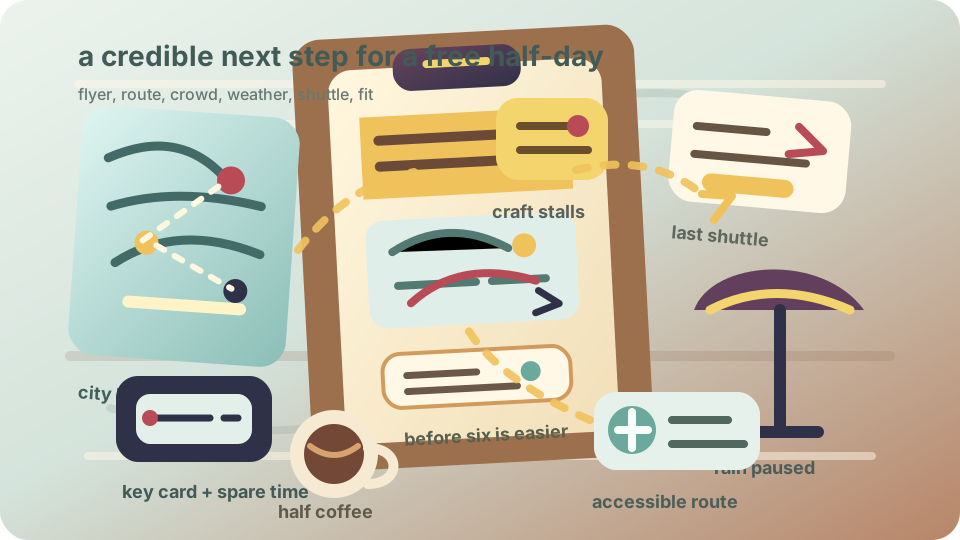
A Free Half-Day Needs a Flyer
On the tour desk clipboard, a local festival flyer with one bent corner feels more like the city waving than the marble lobby does.
An unexpected free half-day does not always need a grand itinerary. A trustworthy local flyer, transport note, opening hours, crowd cue, and suitability guidance can turn spare time into a light city experience.
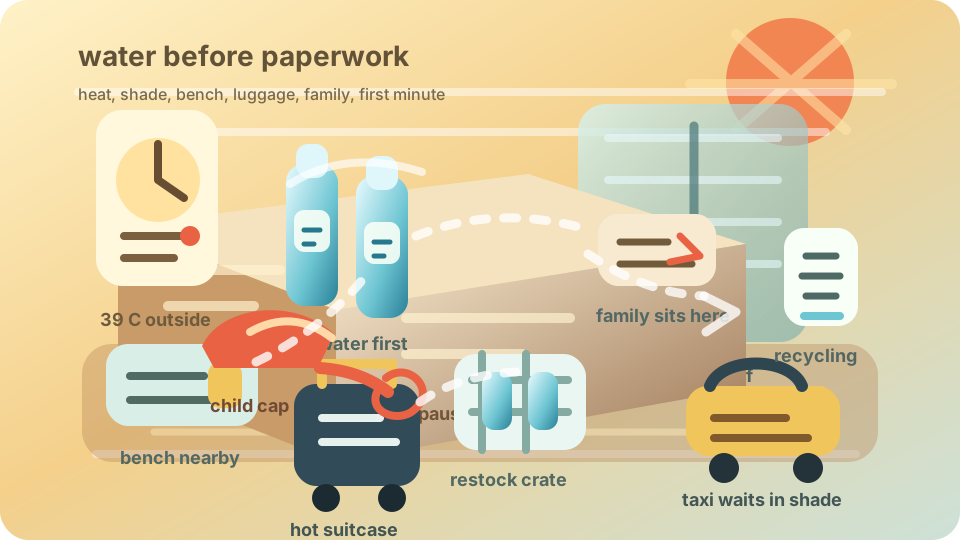
One Bottle of Water Cools the First Impression
The heat is still clinging to the suitcase, and the bottle at the front desk has already started explaining the city kindly.
A hot-weather welcome is not carried by greeting words alone. Cold water, shade, pickup waiting spots, rest for children and older guests, hydration cues, and luggage flow can decide whether a city feels thoughtful or punishing.
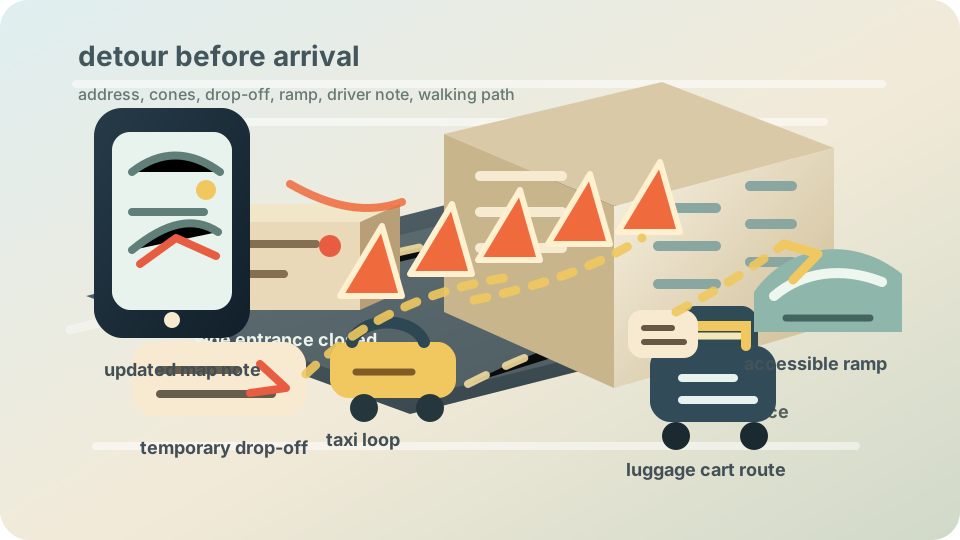
The Detour Should Arrive Before the Guest
The hotel has not moved, but a row of orange cones has sent the taxi to another street.
An unchanged address does not mean the arrival path is unchanged. Construction barriers, temporary drop-off points, walking entrances, and driver routes can turn a simple hotel arrival into service that needs to be explained early.
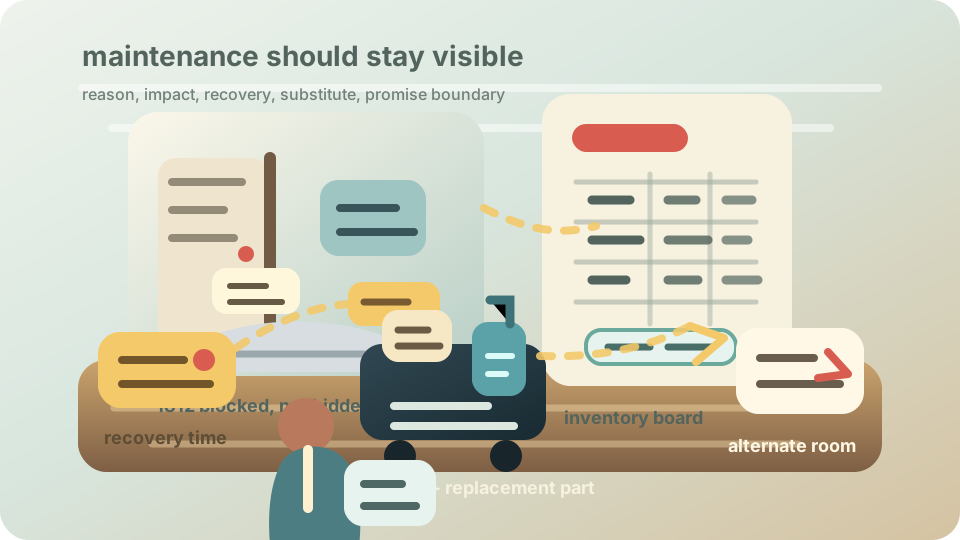
A Room Under Maintenance Should Stay Visible
A half-open door and a dust sheet on the floor are a reminder: inventory is not a vanishing trick.
A room under maintenance should not quietly vanish from sellable inventory. Door locks, air-conditioning, showers, noise, recovery time, and alternate room types all shape decisions for suppliers, channels, hotel staff, and guests.
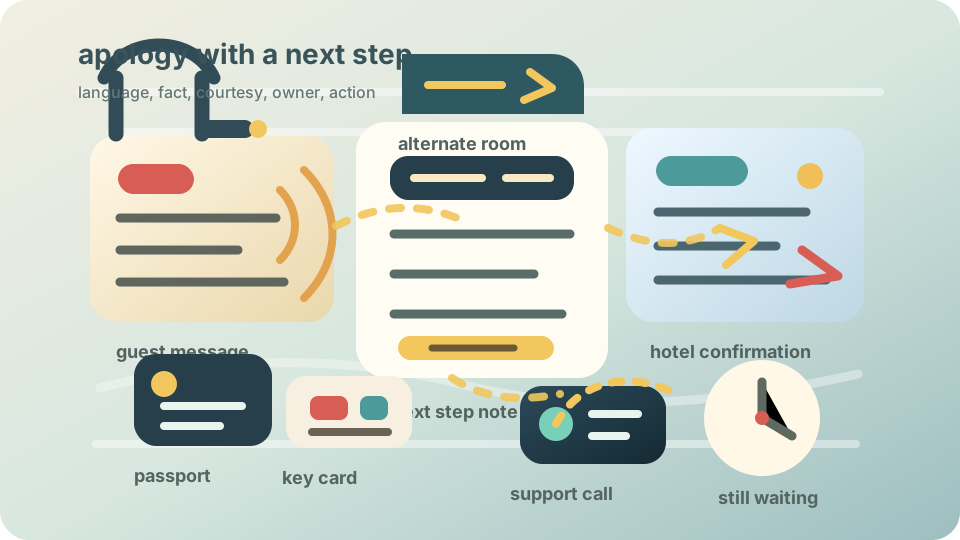
An Apology Should Carry the Next Step
The support headset is light, but the sentence has to hold courtesy, fact, and one executable action.
In travel, an apology is not useful because “sorry” was translated correctly. It has to explain what happened, who is handling it, what the guest should do now, and how the hotel or supplier will catch the next move.
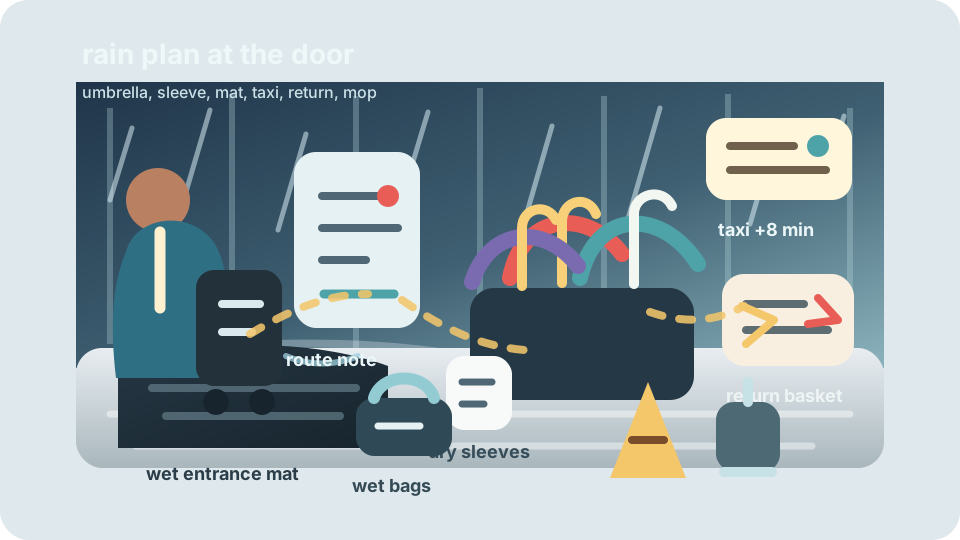
The Umbrella Rack Answers the Rain
Rain darkens the lobby mat, and a neat row of umbrellas suddenly removes one small question.
A weather alert can tell guests it is raining. Useful service places umbrellas, floor mats, taxi waiting time, slip warnings, and return instructions where guests can act on them.
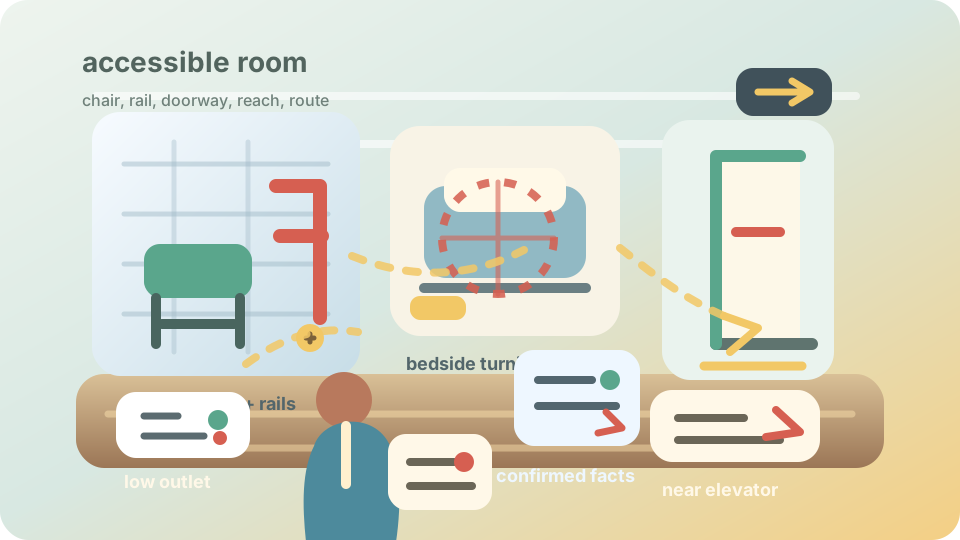
An Accessible Room Is Not a Label
The shower chair in the bathroom is quiet, but the question it asks is not small.
An accessible room is not a checkbox in a filter. The shower chair, doorway width, grab rails, bedside turning space, outlet height, and distance to the elevator all decide whether a guest can actually use the room.
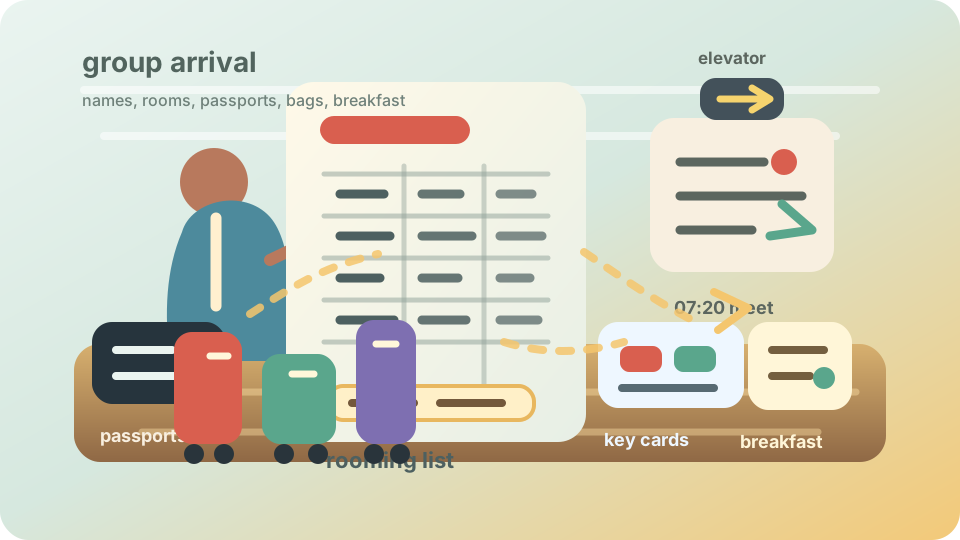
The Rooming List Holds the Group Together
When the coach door opens, suitcase wheels, passport folders, and breakfast vouchers all enter the lobby at once.
A tour group rooming list is not admin paperwork. It compresses traveling relationships, room preferences, ID checks, luggage routing, and tomorrow’s meeting time onto one page, where one wrong cell can make the lobby feel very long.
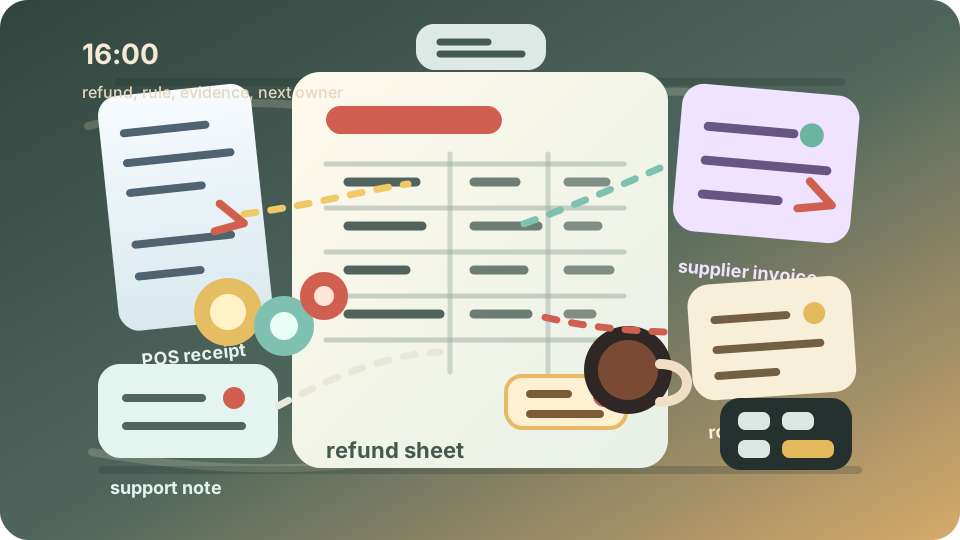
The Small Difference on the Refund Sheet
At four in the afternoon, the finance desk can be busier than the lobby.
A small refund difference can come from tax treatment, currency, deposits, cancellation policy, or supplier settlement timing. Explaining it is not accounting fussiness; it protects guest trust and team judgment.
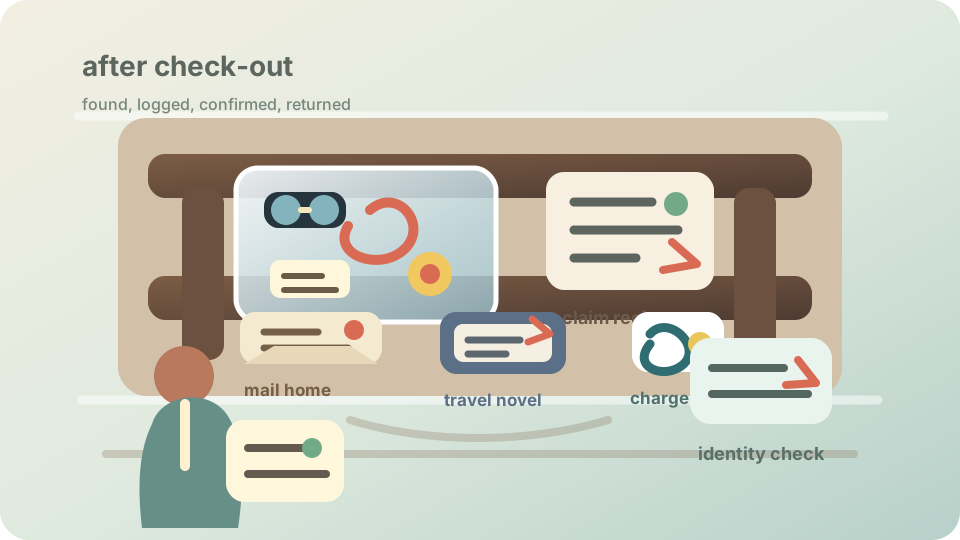
The Lost-Property Box Keeps Small Trust
On a back-office shelf, a pair of sunglasses and a charging cable are still waiting for their names.
Lost property is not clutter. It connects guest memory, hotel evidence, shift-to-shift work, and the cost of sending things home, reminding distribution teams that service can continue after a stay ends.
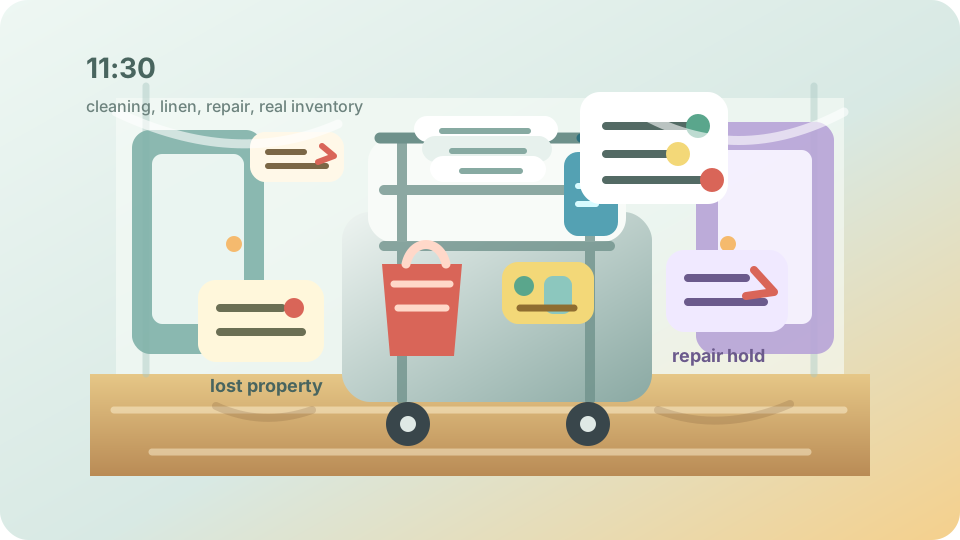
The Housekeeping Cart Knows Inventory
The midday corridor is bright, and the linen bag is more honest than any report.
Hotel inventory is not only a number inside a system. Check-out, cleaning, maintenance, linen, elevators, and group arrival timing all decide when a room can truly be handed to the next guest.
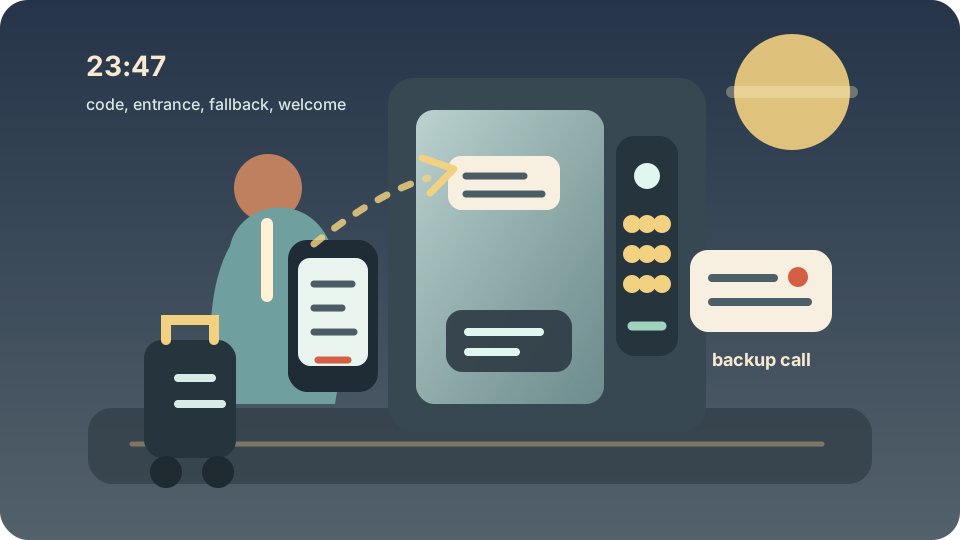
A Self-Check-In Code Should Speak Softly
The porch light is on and the phone screen is bright, but the calming part is the sentence that says, “You are at the right door.”
A self-check-in code is not just the string of digits left behind after the front desk disappears. It should welcome, confirm, guide, and provide a fallback so a late guest does not feel alone with a locked door.
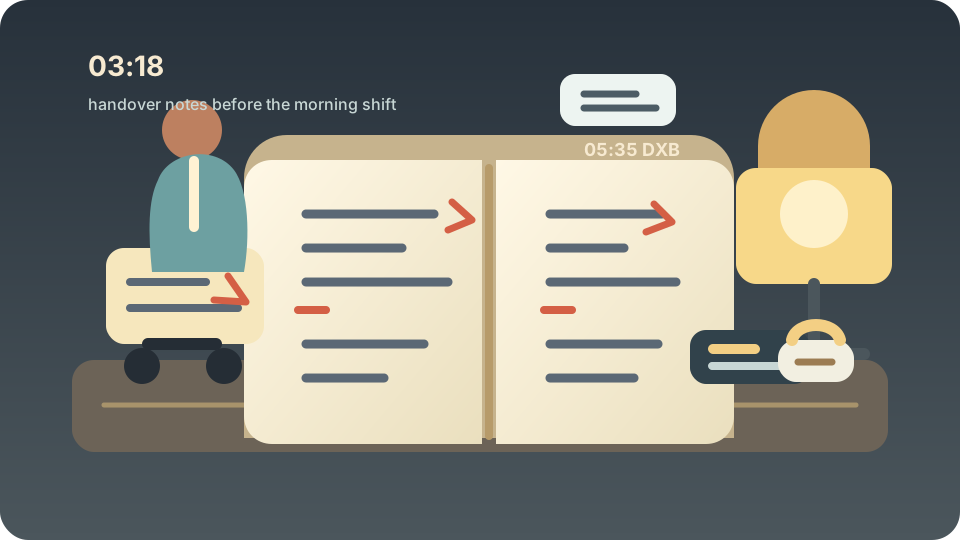
The Handover Book Keeps the Night
A hotel is not quiet at 3 a.m. It is simply storing care in a notebook so the next person can carry it forward.
The night-shift handover book is not back-office trivia. It is evidence of how a hotel keeps promises moving across shifts, languages, and system boundaries, often through small details a guest will need in the morning.

Latest Check-In Is a Doorbell
After a night flight, the guest is not really reading a rule. They want to know whether the door will still open for them.
Latest check-in time is not a cold restriction field. It connects flight delays, night-shift desks, access doors, deposits, supplier notes, and guest reassurance, so it should read like arrival guidance someone can act on.

The Breakfast Box Before Dawn
The paper bag is still a little warm, and the taxi is already waiting outside.
A breakfast box looks like a meal substitute. What it really delivers is the hotel understanding a gap in time: the guest must leave, the kitchen is not fully open, and the promise should not disappear.

Breakfast Hours Are a Promise
The small sign outside the dining room says 6:30-10:00, but an entire early-shift team stands behind it.
Breakfast hours look like a simple field. In practice, they connect kitchen prep, front-desk answers, guest schedules, and supplier content. Writing them clearly is a form of care for morning travelers.

The Pencil at the Edge of the Map
A paper city map is creased at the front desk, and a pencil turns “you are going here” into something a guest can actually do.
Good directions do more than state a location; they arrange the next move for someone new to a city. Circles, arrows, and spoken notes on a paper map remind travel products to explain the handoff from here to there.

One Address Has Two Readers
The guest studies a phone in the back seat; the driver glances at it before the light changes. A confirmation has to serve both.
The address in a hotel confirmation is not static profile data. It reassures the guest and helps the driver avoid a wrong turn; good place-name translation should make the next handoff smoother, not just make the page look complete.

The Confirmation That Still Works on Low Battery
When the phone is at 7%, a confirmation should not read like a manual.
A good hotel confirmation does more than prove a booking exists. When a guest is tired, offline, or navigating another language, it should still answer where to go, who to ask for, and why the stay is secure.

The First Welcome After a Delay
The lobby light is still on after midnight, and the guest only wants one sentence that does not require another explanation.
A delayed flight disrupts patience, transport, check-in timing, and confidence in the booking. What a hotel can repair often begins with the first sentence at the desk.
Pickup Signs Are the Oldest Interfaces
A sheet of paper held above a crowd, like the simplest handshake between airport and hotel.
An airport pickup sign has no session, push notification, or polished animation, yet it can connect a tired guest, driver, hotel, and booking in an unfamiliar city.

Why the Homepage Took a Small Detour Today
A little playful, a little serious, and a little unwilling to let every day look the same.
Today HotelByte does not rush to introduce products first. It starts with a small thought: if systems change every day, why should the homepage feel frozen?
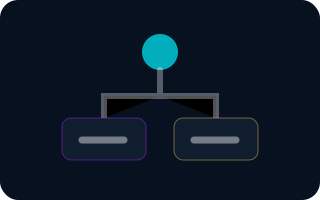
Configuration Inheritance Needs a Reason
Defaults are not magic. They should say where they came from.
When a customer sees a pricing strategy or permission rule, the system should explain whether it is local, inherited, or platform default.

The Five Minutes Before a Supplier Logs Off
Not all stability happens on monitoring screens. Some of it happens before someone closes a laptop.
A supplier is not an alias for an API. Behind the interface are operations, support, finance, and night-shift teammates who also want the day to end cleanly.

Permissions Are Not Menu Visibility
Invisible does not mean impossible; clickable does not mean allowed.
Menu visibility is an experience layer. Real authorization has to hold across actions, resource ownership, and service boundaries.

Breakfast Vouchers Are Promises Too
Small enough to sit inside a passport, large enough to shape a morning.
A breakfast voucher does not look like a technical problem, but it connects room rate, entitlement, front-desk explanation, and a guest’s morning.

Blank Profit Is More Honest Than Guessed Profit
Some numbers protect the system by refusing to appear.
If amount and currency do not come from reliable matching sources, profit should be blank instead of patched with another field.

The Small Ritual Before Check-in
A room key, a glass of water, and the moment a suitcase finally stops moving.
Hotel distribution talks about price, inventory, and rules. Guests often remember whether the moment of arrival held them gently.

Cancellation Policy Is Not a Text Blob
It looks like copy, but it is really the boundary of user risk.
If cancellation policy is only a supplier text block, the system cannot reliably know when to warn, block, or reassure a user.

Failure After a Success Response
The hardest problems are often not red errors, but green success states.
A supplier returning success does not mean the user has a bookable, payable, explainable order result.

Logs Should Sound Like Testimony
Not longer logs, but logs that can stand up in a conversation.
A good log does more than record what happened. It lets different roles retell the same fact.

When One Field Name Changes a Flow
Today’s story is small: just a name in a line of code, until it reaches settlement.
In hotel distribution, rate, totalRate, sellerAmount, and buyerAmount may all look like prices. The important part is that they must not pretend to be each other.

The First Layer Under the Homepage
Like lifting a floor panel and seeing the system quietly running underneath.
If HotelByte is going to tell a daily story, day one should state the premise: what supports the business is not a page, but layers of verifiable systems.