The Peak Date Must Stay on One Map
When a hotel temporarily withdraws rooms in peak season, teams often start with a quick verbal decision. The real risk is one date carrying three meanings across systems.
If blackout dates live only in emails, only in contracts, or only in channel config, teams will book against three different versions of the same night. Peak sellability needs one auditable object: market scope, channel layer, timezone boundary, applicable rate plans, and override precedence.
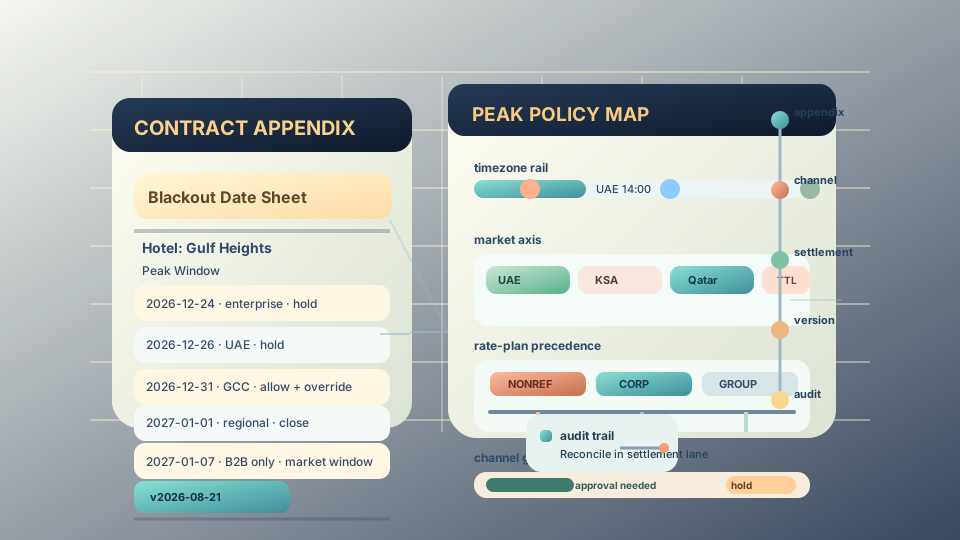
A contract appendix can feel like weight. The heading says “Special Event Closure.” The sheet carries a few rows of dates and notes, which can look like a normal exception list. When 2026-12-24 arrives, the sales page reads a different date window, the supplier content card keeps an old inactive claim, and the channel configuration panel shows three live flags for the same property.
Mismatches are usually not about poor intent. The blackout object has already split across places. Legal updated one contract version; operations added a “local markets only” rider; a temporary rule reopened the enterprise channel without the full exception chain. If timezone and sellable scope are not on the same record, you get classic failures: the page can show visibility, the booking API says soldable, and settlement still treats the night as not available.
The fix is not another verbal note. It is making blackout dates an auditable object with versions, market axis, and precedence. It should answer four questions explicitly: who owns the order of overrides, which timezone is authoritative, which rate plans can reopen first, and which approval can trigger the exception. Then “pending sellability” on a peak night points to an explicit end boundary, not a guess.
For HotelByte, distribution boundaries should reduce confusion, not increase process weight. The objective is not faster button clicks. It is one source of truth for who can be sold, to whom, under which settlement and channel context. A unified blackout object keeps visibility from being mistaken for sellability, and sellability from leaking into a different financial responsibility.