A Family Room Starts Lower Down
The small stool beside the bed says nothing, yet it knows before the welcome fruit whether tonight will work.
A family room is not a double room with one more bed squeezed in. Spare pillows, night lights, low hooks, a small stool, luggage space, and sink height decide whether a family settles in or starts negotiating every step from the doorway.
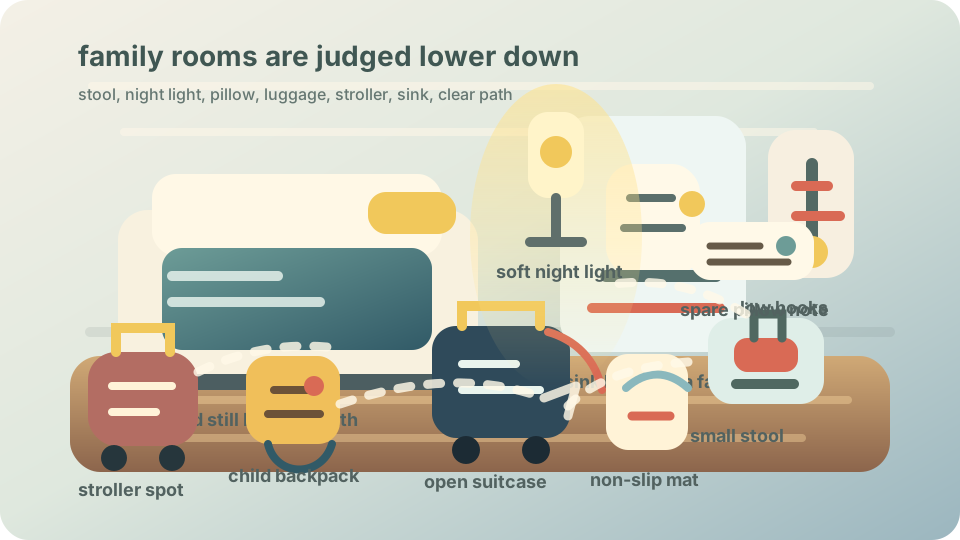
In the early evening, the key card clicks and a family of three rolls two suitcases into the room. The child runs to the window first. The parent pauses at the door: where does the stroller go, where can wet swimwear hang, will someone trip over a suitcase on the way to the bathroom at night, and is the spare pillow already here or another call to the front desk? The linen is neat and the curtains are handsome. The real inspection happens lower down, in the small places a room photo often misses.
The easiest way for a family room to fail is to be one in name only. A stool lets a child reach the sink, but it can also block the bathroom door. A night light makes the midnight walk gentler, unless it is bright enough to wake the other bed. Spare pillows and blankets make improvised sleeping feel decent, but if they are hidden in a high cupboard, they become another front-desk request. Families are not asking a hotel to become a playground. They need the room to admit that tonight contains more than one height and more than one sleep rhythm.
The tradeoff is small and exact. The room cannot be filled with helpful objects, because luggage, a stroller, and people all need turning space. The promise cannot be too broad either, because families differ in age, habits, and stamina. A useful family-room description should say less about being warm and welcoming, and more about facts a person can judge: sofa-bed size, night-light position, sink height, whether a non-slip mat exists, and whether a large suitcase still opens beside the bed.
For HotelByte, these lower-down facts should be able to travel through distribution too. If supplier room types, channel copy, support confirmation, and hotel notes only share the label “family room,” guests still have to buy with their imagination. Naming the stool, spare pillow, night light, and luggage space is not making travel fussy. It helps a family decide earlier whether this room can truly hold the night.