An Elevator Round Should Stay Light
At two in the morning, the corridor carpet catches the footsteps, and the guard’s torch reaches only as far as the next door.
Night security in a hotel is not about making presence loud. An elevator round has to check access, camera gaps, fire doors, noise, and unusual stops while keeping sleeping guests out of needless alarm.
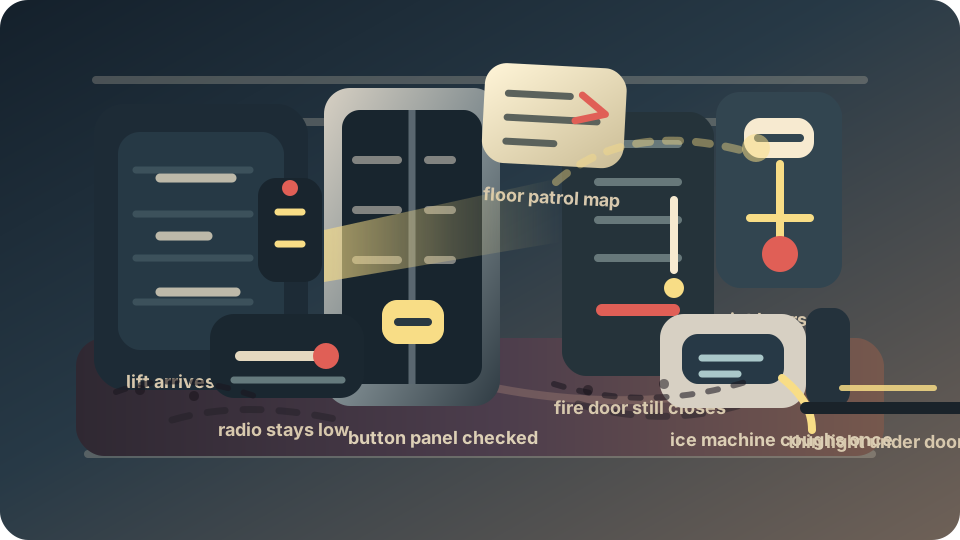
At 2:17 a.m., the elevator opens softly on the eighth floor. The night guard does not sweep the torch across every room door. He checks the lift buttons, the fire-door handle, the exit sign at the end of the corridor, and the dark track a suitcase wheel left in the carpet. The radio stays low. The housekeeping cart is gone, the ice machine coughs once, and a thin line of light sits under one door.
The hard part of this round is that it has to be alert and quiet at the same time. Too loose, and an odd elevator stop, a stuck fire door, a guest who has had too much to drink, or a meeting group still making noise can become the next minute’s problem. Too heavy, and the torch, footsteps, radio, and repeated door checks wake the floor. Safety is not turning the hotel into a place being inspected. Safety is what lets most guests notice nothing at all.
The elevator shows the tension clearly. It connects lobby, guest floors, parking, restaurant back doors, and staff routes. It also connects permissions: who may go upstairs, who is merely lost, who needs help, who should not keep coming closer. A useful night process cannot only say “patrol every hour.” It has to name which floors deserve a second look, which noises should be watched before interrupted, when to call the desk, when to call a manager, and when waiting ten seconds outside a door is the better move.
For HotelByte, hotel distribution infrastructure can respect this quiet operating fact too. If guest orders, group floors, night entrances, special notes, and hotel duty coverage line up earlier, the night team has less guessing to do in the hallway. A good elevator round will never appear in the travel photos. It simply lets the building keep sleeping at two in the morning.