The Currency Column Draws the Border First
The narrowest column on the rate sheet often decides who has to explain what before the total price does.
When a supplier rate sheet makes everyone stare only at the total, quote, display, charge, settlement, and refund can collapse into one misleading number. The currency column looks like formatting, but it sets the border for market, exchange rate, rounding, tax, and responsibility.
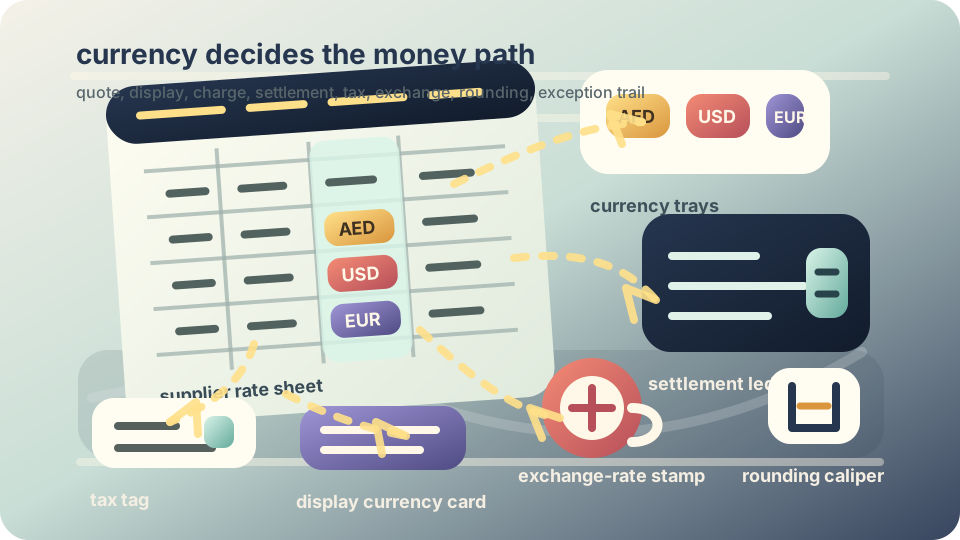
A supplier rate sheet often has one thin column titled Currency. It does not pull the eye like the total column, and it lacks the drama of a promotion note. But when a row changes from AED to USD, or EUR appears inside the same sheet, the work has already moved tracks: who quoted, who displays, who charges, who absorbs exchange movement, and who explains the leftover cents during refund.
Total price is a persuasive little object. It compresses room rate, tax, service fee, commission, and sometimes an unsettled rounding rule into one tidy number. The currency column is less charming. It asks rougher questions: which currency was contracted for this market, can the channel display the original currency, does settlement follow transaction-day or statement-period exchange rate, and is the extra decimal income, cost, or a difference that needs its own explanation?
That makes currency more than a formatting field. It is closer to a border stamp, deciding which path the money takes before anyone argues about the amount. Omit it, and the sheet looks cleaner for a while; later, support, finance, supplier operations, and commercial owners write four explanations beside the same figure. Freeze it too hard, and dynamic exchange, tax-inclusive packages, cross-market campaigns, and partial refunds lose the exception trail they need.
For HotelByte, the currency column belongs next to the total, not buried in remarks. Before a sellable price reaches a channel, it should already carry quote currency, display currency, charge currency, settlement currency, and rounding rule. The reader may only see a clean price at the end. What disappears behind it is the afternoon spent asking, again, which kind of money everyone meant.