The Renovation Field Makes Amenities Tell the Truth
One quiet under-renovation field in a content table can protect a promise before the glossy photo gets a chance to overtalk.
Amenity content cannot live only between yes and no. A pool repair, gym renovation, restaurant pause, or time-limited spa needs a clear reason, affected scope, valid dates, alternative arrangement, and reopen owner, otherwise the channel page keeps selling an old promise as today’s fact.
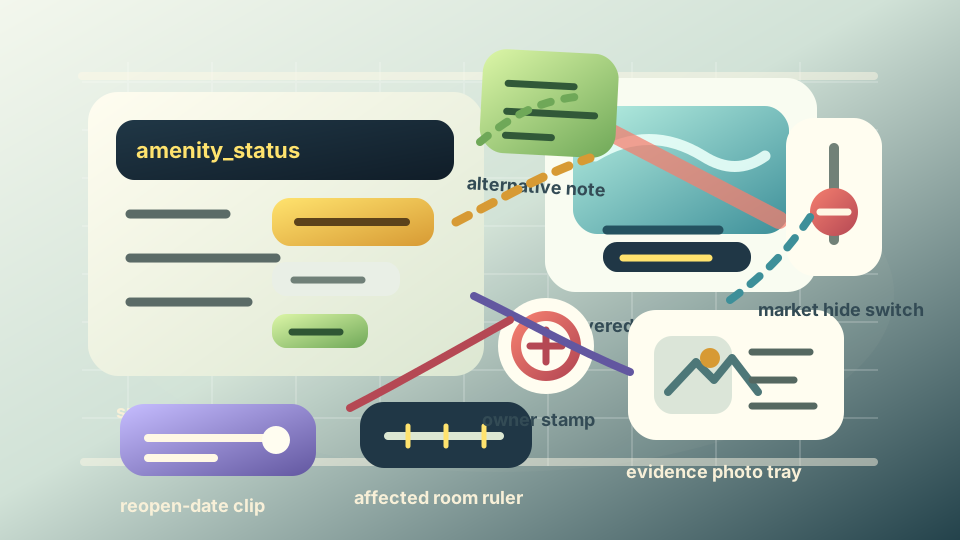
In the supplier content table, one narrow field says amenity_status. Pool, gym, and spa were already checked. Now a yellow tag sits beside them: under renovation. The evidence photo is in the attachment tray, the reopen date is still pending, and the operations note says only the main pool is closed; the children’s shallow area remains available. This does not look like a homepage story. It decides whether the phrase pool included still deserves to be on the page.
The problem with amenity fields is that they are often treated like static property. Build once, upload photos, tick the amenity, and let it hang like a sign on a wall. Hotels are less obedient than that. Air-conditioning work can rotate by floor. A gym may close only the equipment zone. A restaurant may pause lunch but keep dinner. A rooftop pool can lose its best photograph overnight because safety maintenance started. Change the field to no and the selling point disappears. Leave it as yes and the channel speaks for yesterday.
A better field needs a little temper. It should ask which part is closed, which room types and stay dates are affected, whether an alternative exists, which markets must hide the claim, which display sentence should be downgraded, and who owns the reopen check. There is a tradeoff here. Too much detail burdens the content team. Too little detail moves the explanation to support and sales after the booking. A clean boundary lets the public wording stay brief.
For HotelByte, content freshness is not dusting the page. It is pulling sellable facts out of old photos, old contracts, and old memory before handing them to channels. When an under-renovation field works, the reader may only notice one expired selling point missing. Behind that small absence, supplier promise, channel display, and commercial responsibility have stopped borrowing each other’s names.